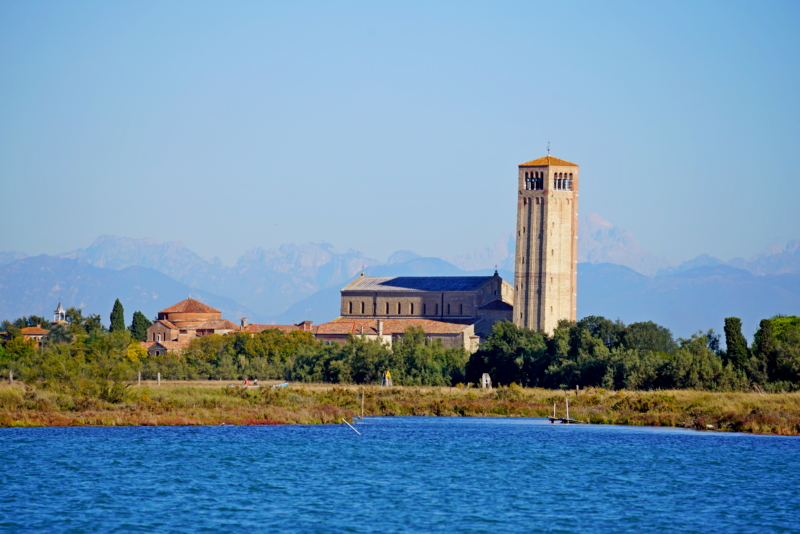
Torcello is located even further north than Burano, making it the island farthest from the main island of Venice. You can reach Torcello by taking Line 9, which runs from Burano to Torcello, or by taking Line 12 from Venice.
This relatively poor connection is also the reason why Torcello is the island with the fewest visitors. Just over 20 people live on Torcello itself. The lagoon’s mild climate is particularly conducive to gardening. Much of what is served in Venice’s restaurants comes directly from the lagoon. The two churches, Santa Fosca and the Basilica of Santa Maria Assunta, are worth seeing.
Torcello owes its art-historical significance primarily to the Basilica of Santa Maria Assunta, consecrated in 1008 by Bishop Orso Orseolo: „Mary Ascending to Heaven“
Today, Torcello is best known for wealthy A must-visit destination for foodies, especially because of Locanda Cipriani.
Past Splendor
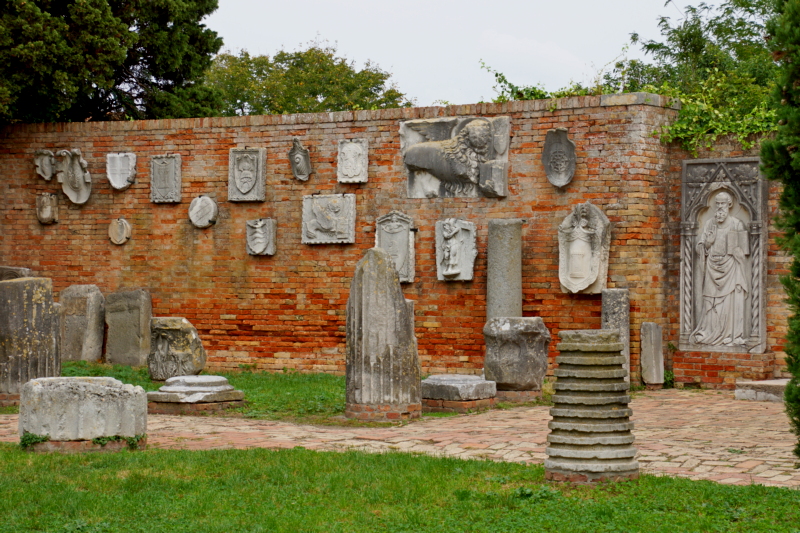
Anyone who visits the small island of Torcello at the northern end of the Venetian Lagoon today will be left speechless by the island’s magnificent buildings and immediately sense that Torcello has seen better days. In 2014, only 14 people lived on Torcello; in the tenth century, there were nearly 20,000!
Torcello was a bishopric, and with its numerous churches and monasteries, it was at times even more prosperous than Venice itself. However, as Venice began to rise, it also marked the beginning of the end for Torcello. The waters around Torcello became swampy, and malaria-carrying mosquitoes spread. The residents moved to prosperous Venice or settled on Murano, the island of glassblowers. They took everything with them when they moved, including, in some cases, the building materials from which their houses had been constructed.
That is why you hardly see any old palazzos on Torcello today. But there are still a few old churches that survived the exodus from Torcello.
Oldest Church
Hemingway went duck hunting from Torcello; today's tourists go in search of unforgettable experiences and photo opportunities.
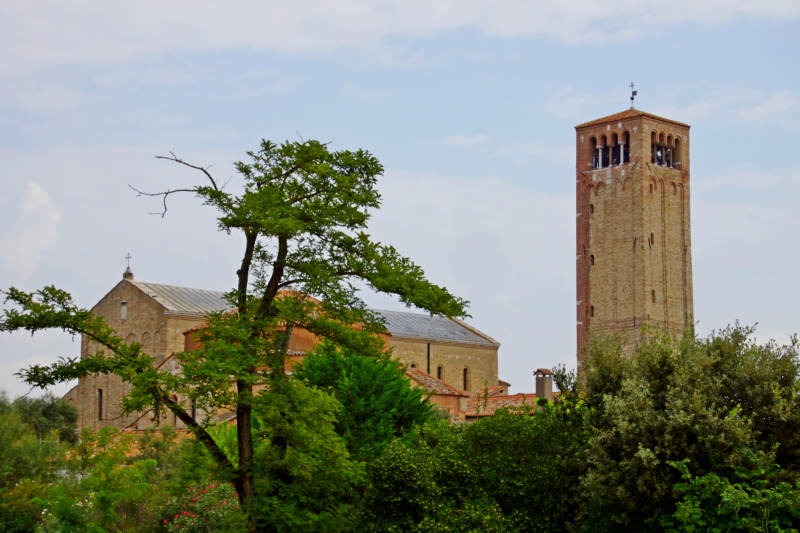
There used to be twelve churches and sixteen monasteries here; only a few have survived. Among them is the Basilica of Santa Maria Assunta, with its impressive tower dating from 639, which is the oldest surviving church in the entire lagoon. The building is constructed of simple yet striking brick, and the interior is adorned with Byzantine mosaics. Researchers have not yet definitively determined the century in which the mosaics were created. The tower of Santa Maria Assunta is visible from afar and is considered the island’s landmark.
The Church of Santa Fosca houses the relics of Saint Fosca. When Napoleon captured Venice, it was decided to raze this church to the ground. Fortunately, the church survived and can still be visited today.
Two of the island’s once-numerous palazzi have also survived from its heyday. They are open to visitors, as they now house an island museum where you can learn all about the history of Torcello.
The Organized Island Tour: Murano, Burano, Torcello
On this private boat tour, which lasts about 4 hours, you'll explore Venice's three famous neighboring islands: Murano, Burano, and Torcello.
The first stop takes you to Murano, the island home to Venice’s world-famous glassblowing workshops. There, you’ll visit one of the countless glass workshops and witness the glassblowers at work.
The next stop is the charming island of Burano, with its famous fishermen's cottages painted in bright, vibrant colors and its lace-making workshops.
The third island, Torcello, awaits you with its magnificent cathedral and the historic Church of Santa Fosca, both of which bear witness to Venice’s glorious history.
Throughout the entire tour, you will be accompanied by a multilingual tour guide. The tour guide speaks German, English, French, and, of course, Italian.
Our special tip for your trip to the island
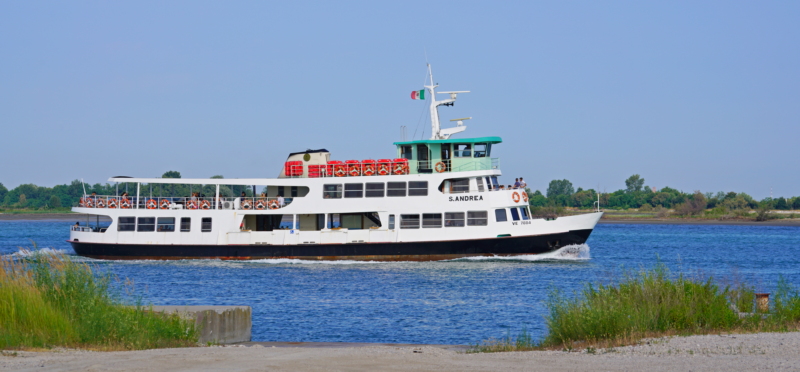
Usually, tourists heading to Burano take the Line 12 vaporetto from the Fondamente Nove stop. This stop is about 40 minutes away from St. Mark's Square, across the boring old town.
At the Fondamente Nove stop, there’s almost always a big crowd jostling for seats on the vaporetto, since it’s not a very large boat. Consequently, the ride to Burano is unpleasant and stressful. Philosophy students might even start mentally drafting their thesis on the topic of „Species-Appropriate Tourist Care“ during the trip.
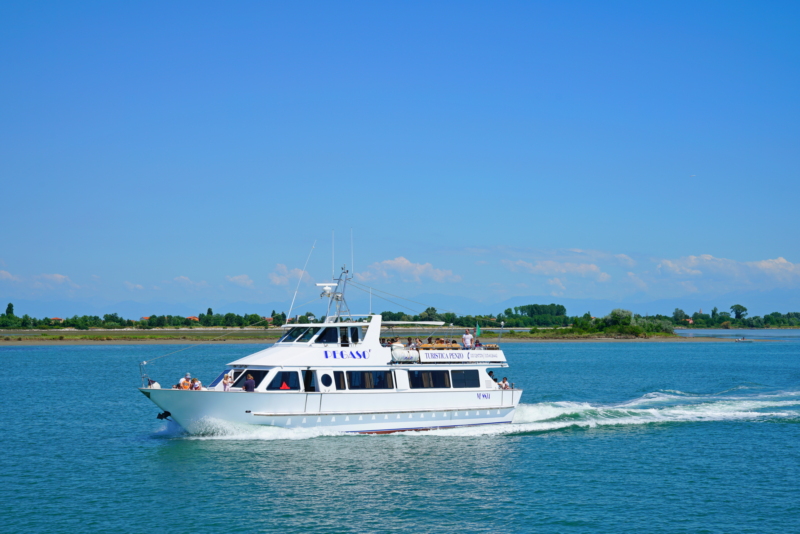
But there’s a better way—one that’s actually really pleasant and relaxing. A large, two-story boat on Line 14 (see photo) with panoramic views will take you all the way to Burano after a wonderful ride through the Venice Lagoon.
From the center of Venice, from the bus stop San Marco – San Zaccaria, Entrance A During the summer season, a Vaporetto on Line 14 runs to Burano every 30 minutes.
It stops along the way at Lido, Punta Sabbioni, and Tre Porti. But this little detour is worth it. You’ll travel through the beautiful Venice Lagoon. And you can take this line again for the return trip. You’ll really enjoy it.
The ACTV link to the schedule for Line 15 is: http://actv.avmspa.it/it/content/orari-servizio-di-navigazione-0
Save Money with the ACTV Ticket
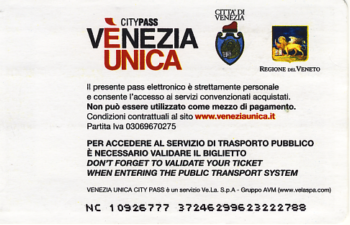
A one-way trip on public transportation costs 9.50 euros per person. A one-way trip may last no longer than 75 minutes. For the trip to Murano, Burano, and Torcello, you’ll need several individual tickets. So just for this trip alone, it’s worth buying a one-day or multi-day pass.
The ACTV ticket is the size of a debit card. Please note: The ACTV ticket must be validated before each ride. To do so, simply hold it up to the reader at the entrance of each stop.
If you purchased your ticket online, you do NOT have to wait in line at the ticket window. Simply enter the online ticket code at a ticket machine, and you'll receive your ticket immediately.
The Islands of the Lagoon
Island Overview: Lido, Murano, San Michele, Burano, and Torcello
The Lido of Venice
To the glassblowers in Murano
San Michele Cemetery Island
To the colorful houses in Burano
To the Roots of Venice: Torcello