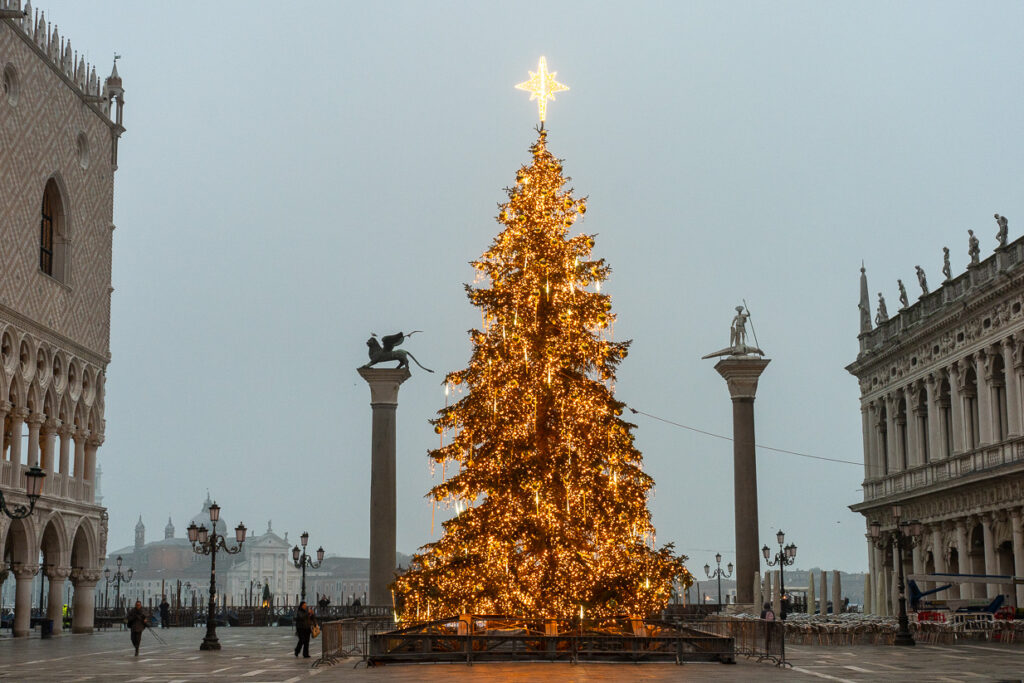
Winter in Venice consists of three meteorological winter months December, January, and February divided into. This makes sense because the weather during these months is quite different.
Venice has a humid temperate climate influenced by the Adriatic Sea. Winters are relatively mild compared to Munich or the Alpine foothills. However, high humidity and wind can make temperatures feel significantly colder than what the thermometer reads.
An important point for you: Winter in Venice doesn't necessarily mean bad weather. November, December, January, and February also offer sunny days with clear skies, making them excellent times to take photos of the city and explore it.
This honest warning about unrealistic vacation expectations is not meant to be negative coverage of Venice. It is intended as a helpful service for visitors.
November in Venice—the Transition to Winter
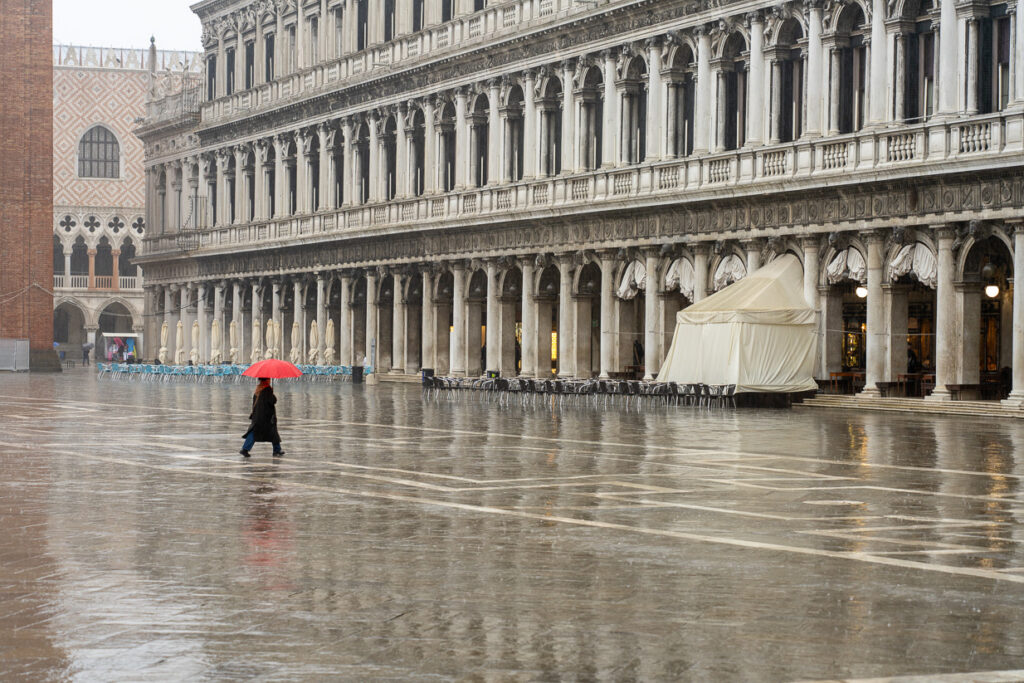
November is particularly interesting. Meteorologically speaking, it is still part of fall, but in Venice it already exhibits many characteristics of winter. Above all, it differs significantly from December, January, and February in terms of precipitation.
November in Venice is usually much rainier than the actual winter months.
In addition, the days are getting shorter, temperatures are dropping, and the likelihood of fog and overcast weather is increasing.
Typical November Weather
| Climate Value | November |
|---|---|
| Average Daily High Temperature | 13.1 °C |
| Average nighttime low temperature | 5.9 °C |
| Monthly Average | 9.3 °C |
| Precipitation | 78.1 mm |
| Days with precipitation | 9.2 days |
Venezia-Tessera monitoring station, climate period 1991–2020, NOAA-based analysis. Days with precipitation of 0.25 mm or more.
This means that November is about 5 °C warmer than December, but also significantly wetter.
A unique feature: acqua alta
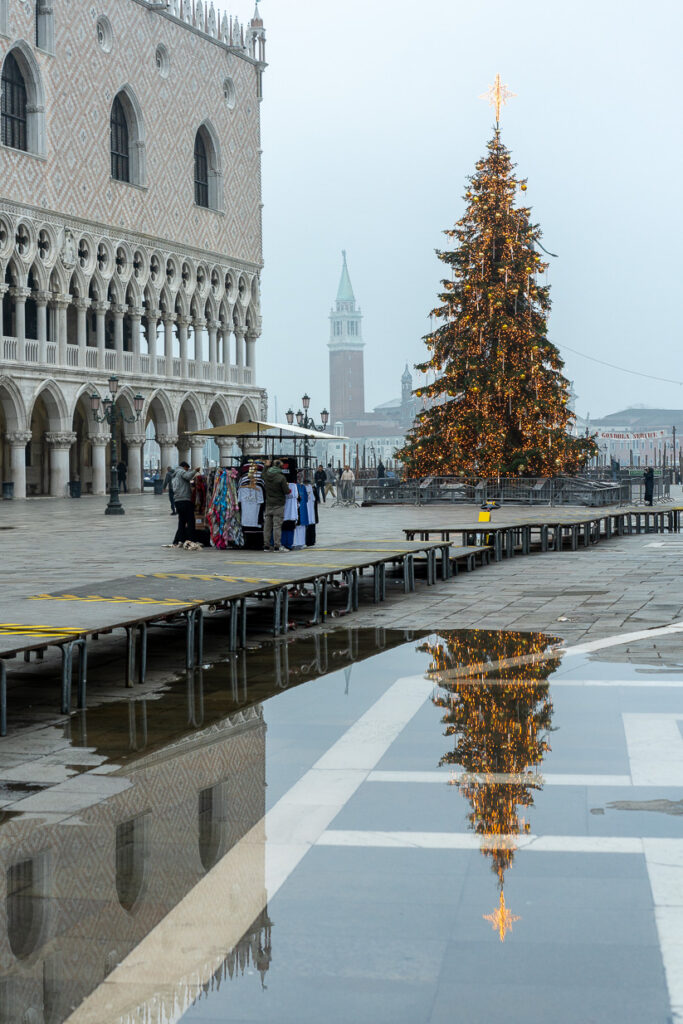
November is also a time when flooding occurs Acqua Alta It is well known. However, it is essential to make a distinction: acqua alta is not simply caused by heavy rain. The decisive factors are, above all, the tides, wind conditions, and air pressure. Especially in the fall, these factors can combine in an unfavorable way.
Many visitors who travel to Venice in late November already experience the wintry atmosphere: short days, darkness setting in early, occasional fog, and significantly less of the summer bustle.
Average winter temperatures
The following values are based on climate data from the Venice-Tessera weather station (Marco Polo Airport) for the period 1991–2020. The values are rounded.
Typical November Weather
| Climate Value | November |
|---|---|
| Average Daily High Temperature | 13.1 °C |
| Average nighttime low temperature | 5.9 °C |
| Monthly Average | 9.3 °C |
| Precipitation | 78.1 mm |
| Days with precipitation | 9.2 days |
Venezia-Tessera monitoring station, climate period 1991–2020, NOAA-based analysis. Days with precipitation of 0.25 mm or more.
Statistically speaking, January is the coldest month. In February (Carnival season), temperatures start to rise again slightly.
How much does it rain in the winter?
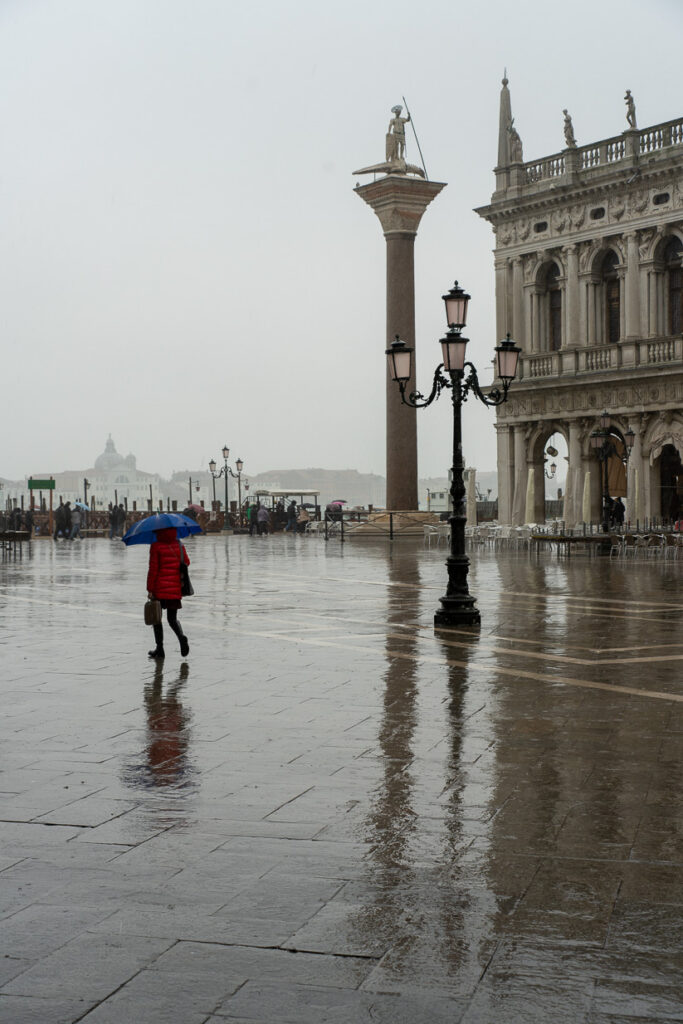
Here's an interesting fact: Winter isn't one of the rainiest seasons in Venice.
A Comparison of November Through February
| month | Monthly Average | Precipitation | Rainy Days* |
|---|---|---|---|
| November | 9.3 °C | 78.1 mm | 9,2 |
| December | 4.5 °C | 59.6 mm | 7,6 |
| January | 3.6 °C | 45.2 mm | 6,1 |
| February | 4.9 °C | 58.2 mm | 6,0 |
*Days with at least 0.25 mm of precipitation, including possible snow.
Source: NOAA-based climate data for 1991–2020, Venezia-Tessera station. A day is counted as a precipitation day if it receives at least 0.25 mm of precipitation.
Winter Precipitation
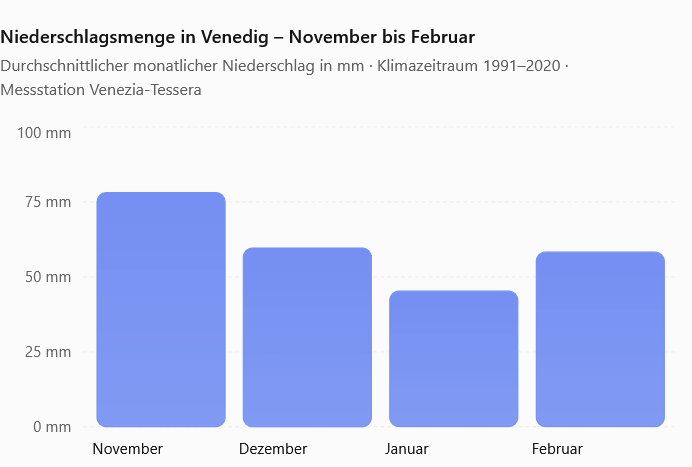
Average monthly precipitation in mm · Climate period 1991–2020 · Venezia-Tessera weather station
Result: November is the wettest of these four months, with an average of 78.1 mm of precipitation. January is the driest, with 45.2 mm.
The total average precipitation from November through February is 241.1 mm.
For you as a vacationer, this means:
- Statistically, there are about 20 days with measurable precipitation throughout the winter.
- That amounts to an average of about 6–8 days per month.
- According to this definition, there is no measurable precipitation on the remaining days. However, that does not mean that the sun shines on all of those days.
- Rain can occur as a brief shower or as a longer period of precipitation. The monthly statistics do not distinguish between the two.
By the way, one millimeter of precipitation is equivalent to one liter of water per square meter.
Fog, Snow, and Wind
In winter, patches of fog can form in the lagoon. Especially in the morning hours, this can significantly limit the view of the islands and the architecture. For photographers, this can create extraordinary lighting conditions.
Snowfall is possible in Venice, but rare. It is even rarer for the snow to remain on the ground for any length of time. A snow-covered Piazza San Marco is therefore a special occasion and not a typical winter scene.
The cold northeasterly wind, the Bora, in particular, can significantly lower the wind chill. This is felt more strongly on open waterfront promenades than in sheltered alleys.
My assessment
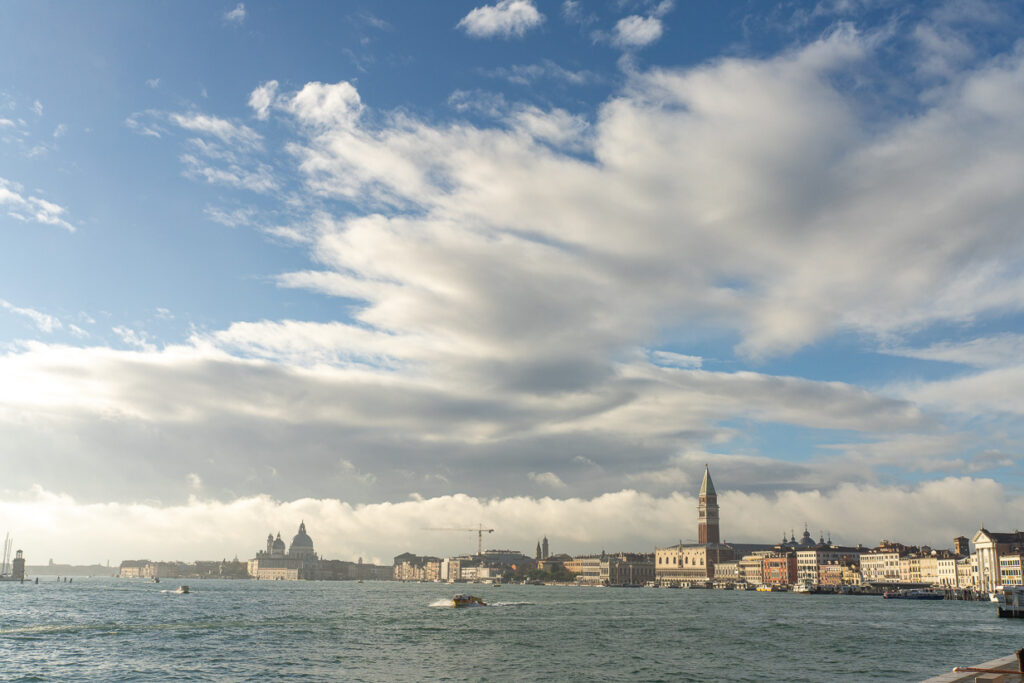
A visitor strolling through the alleys of Venice in January, when it’s 7 °C and sunny, experiences the city in a completely different way than someone standing outside on the Riva Schiavoni in a damp wind, even though the temperature is also 7 °C.
And here’s another important point: Venice is located in the middle of the lagoon in the northern Adriatic Sea. And the average water temperature of the Adriatic Sea in winter is 15 Gard. This makes the Adriatic Sea act like a giant hot water bottle, warming the city. This is because the Tessera weather station is located on the mainland. The historic districts are surrounded by water and may therefore experience slightly different temperatures and wind conditions.
That’s why Venice is worth a visit even in winter. From December through February, average daily high temperatures range between 8 and 9 °C. Statistically, measurable precipitation occurs only about every fourth or fifth day. In addition to cold, damp days, you can certainly look forward to sunny winter days with clear views across the lagoon.
Venice in Winter (My Personal Impression)
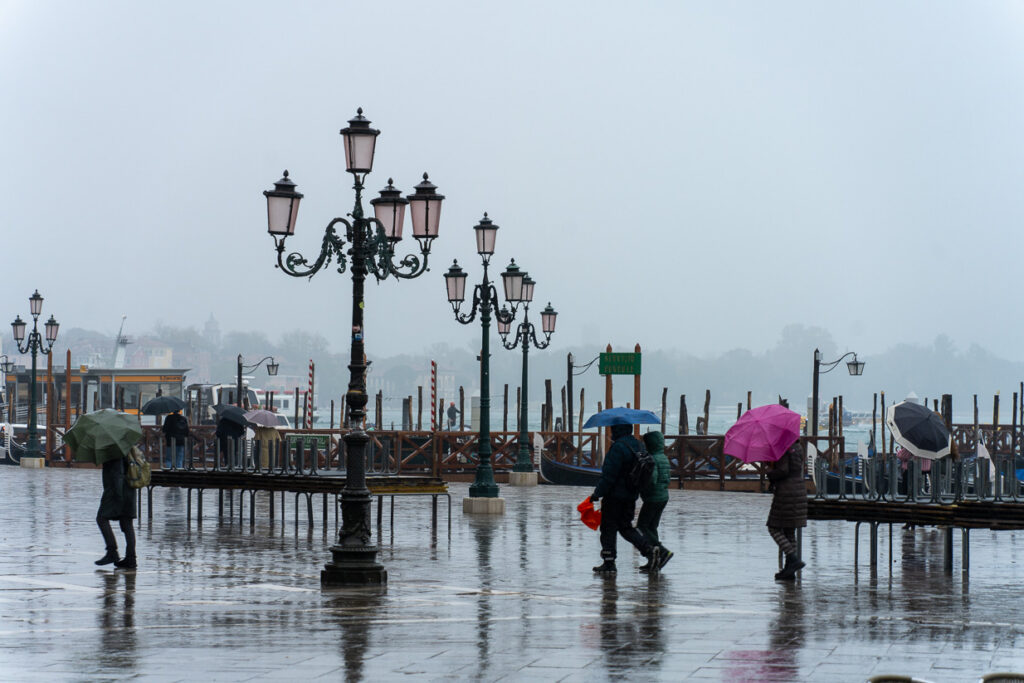
Venice in winter isn't just Venice in summer with lower temperatures. It's a different travel experience. It is precisely this distinction that should be the central theme of this website and these videos.
- Cold, damp, and rainy.
- Darkness falls early.
- Fewer people, but by no means deserted.
- There's little of that Mediterranean lightness that people love so much about Venice.
- An atmosphere that has little in common with balmy summer evenings and the Italian way of life.
It all depends on what you expect from Venice.
Vacationer Type A: You're looking for the Italian way of life.
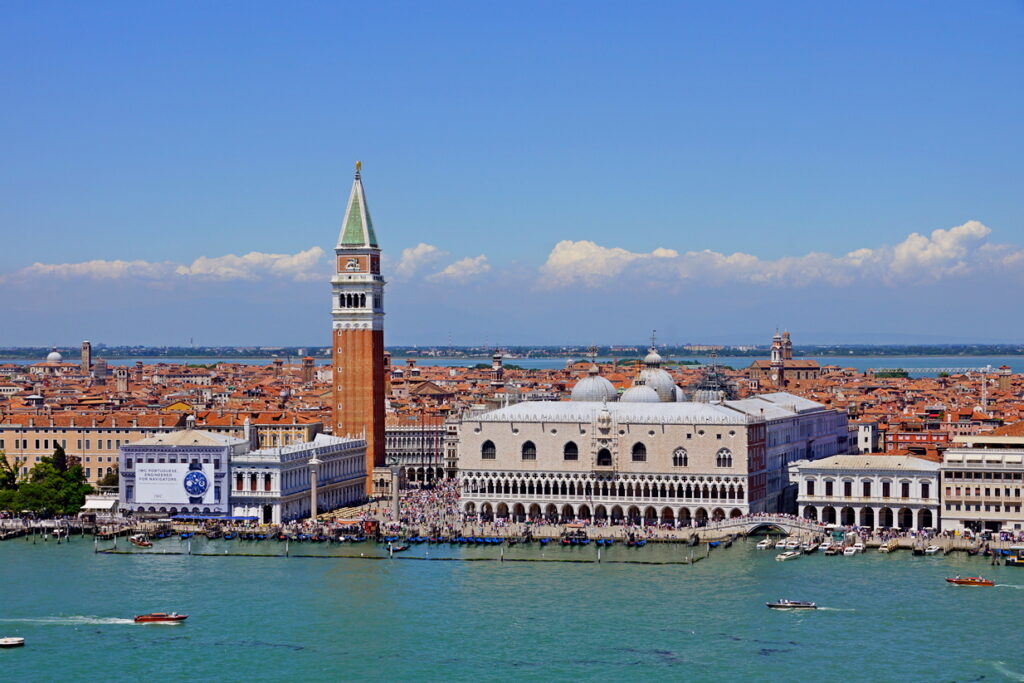
You'd like to sit outside, enjoy an ice cream, feel the sun by the water, listen to music in St Mark’s Square, and take a stroll through the pleasantly warm city in the evening. My recommendation: Don't travel to Venice in the winter. Late spring, summer, or early fall are much better times for these activities.
Vacationer Type B: You want to explore Venice.
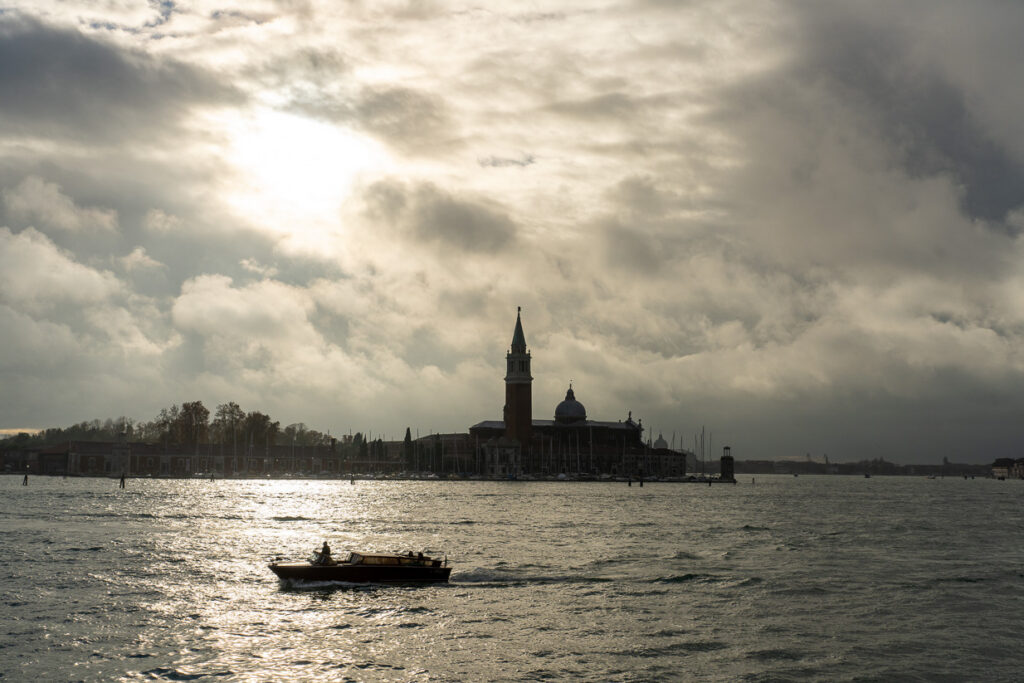
You're interested in the history, architecture, churches, museums, and the city's unique urban landscape. You'd like to take photos, stroll through quiet alleys, and experience the city without the summer heat. My recommendation: Winter can definitely be a good time of year for him to travel. However, you should be prepared for short days, cold weather, and occasional restrictions.
Is it worth taking a trip to Venice in the winter?
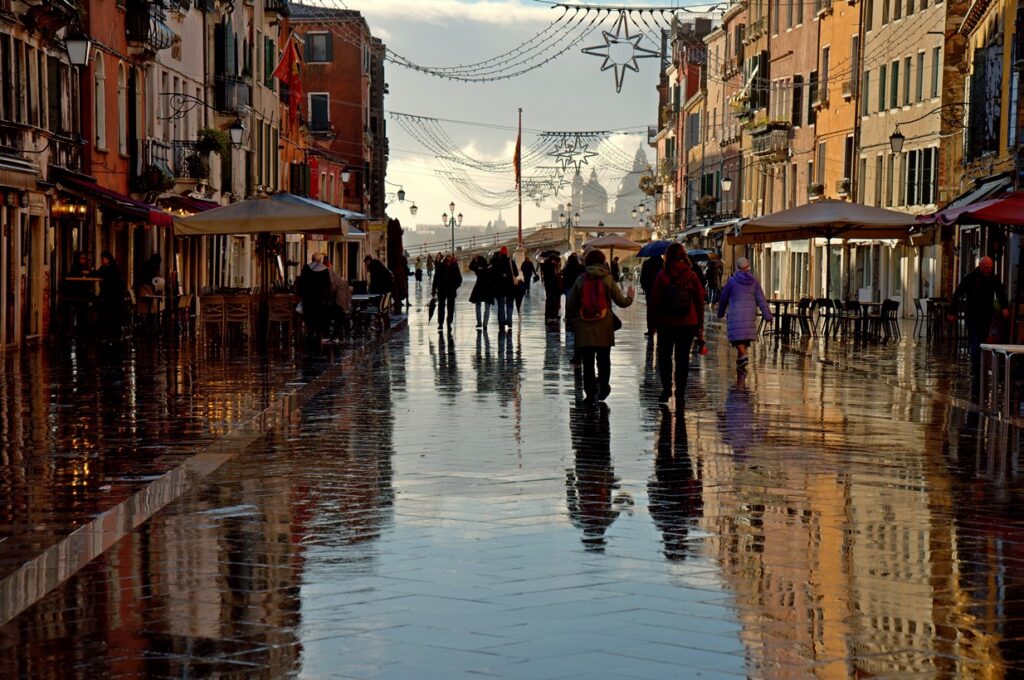
Venice is an extraordinary city no matter the season. But not every season is equally suitable for every traveler. If you’d like to visit Venice for its Mediterranean lifestyle, we recommend traveling in the spring, summer, or early fall.
For many visitors, the warm evenings, the outdoor cafés, Italian gelato in the sun, and the lively atmosphere in the squares are among the most wonderful vacation experiences in Venice.
In winter, you have to do without a lot of those things. The days are short, the temperatures are low, and the weather can be damp and unpleasant. Especially when it’s raining and the wind is cold, a long walk through the city quickly loses its appeal.
Still, Venice has its own special charm even in winter.
The sights, churches, and museums are still worth a visit. The city is often less crowded outside of special events, and on sunny winter days, you can experience Venice in a whole new light.
If you're particularly interested in Venice's history, art, and architecture, a winter trip there can definitely be worthwhile.
Our advice: Before your trip, think about what you expect from Venice. If you’re looking for that carefree Italian vacation vibe, you should choose a warmer time of year. On the other hand, if you want to explore the city itself and are prepared for winter weather, you can still enjoy beautiful days in Venice from November through February.
The key difference:
Winter vacation or your first visit to Venice?
Would I recommend January as the best time for a first trip to Venice for someone who has never been there before?
In most cases: No.
Not because Venice would then be uninteresting, but because a first-time visitor should experience as many facets of the city as possible. This includes spending time outdoors, soaking up the atmosphere by the water, visiting the squares, and experiencing the nightlife.
For someone who has already visited Venice several times, however, a winter trip can be an interesting addition.
To me, that's the key difference.
Another special feature: Carnival

Carnival truly deserves special recognition. It offers a unique reason to travel that isn’t dependent on summer temperatures. The costumes, masks, events, and special atmosphere make it an experience unlike any other at any other time of year.
However, this isn't your typical winter vacation. During Carnival, the streets and squares can get extremely crowded.
What can you expect in Venice during the winter?
What can I do?
What will I have to give up?
And is the trip even worth it for me?
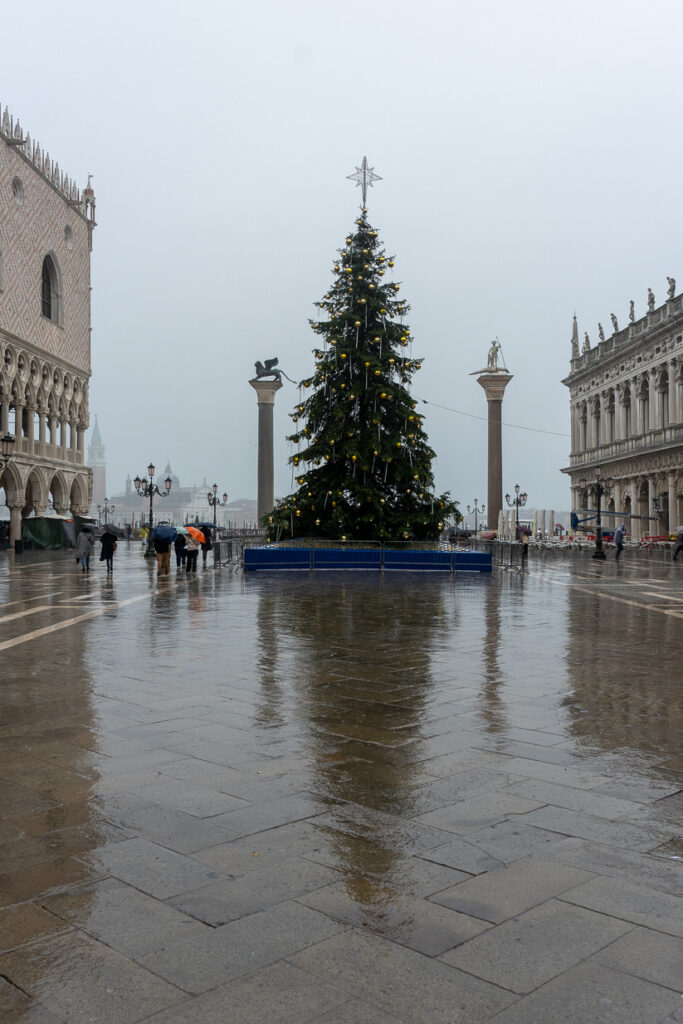
Short Days—When Does It Get Dark in Venice?
The short days are one of the biggest differences between a winter vacation and a summer vacation in Venice. While in the summer you can stroll through the city in daylight well into the evening, in December the sun sets as early as 4:30 p.m.
This has significant implications for your travel plans. If you want to see the sights, visit the islands in the lagoon, or go for long walks, you’ll have significantly fewer hours of daylight in the winter.
The shortest day of the year is the winter solstice, which occurs around December 21. After that, the days will gradually get longer again.
SSunrise and Sunset in Winter
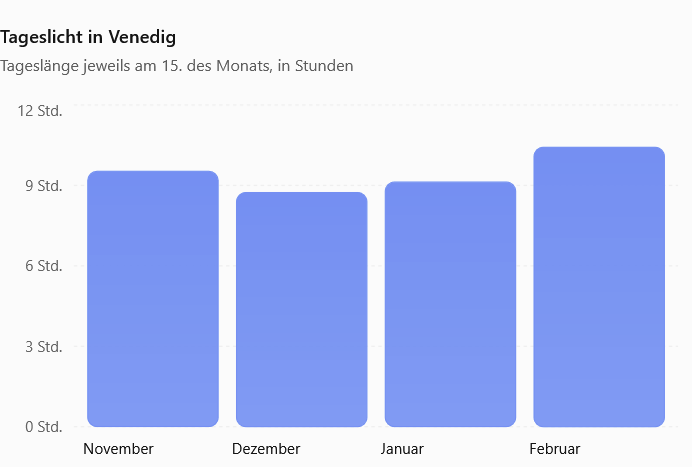
The following table shows the times for the 15th of each month.
| month | Sunrise | Sunset | Daylight |
|---|---|---|---|
| November | 7:09 a.m. | 4:40 p.m. | 9 hours, 31 minutes. |
| December | 7:43 a.m. | 4:27 p.m. | 8 hours, 44 minutes. |
| January | 7:46 a.m. | 4:53 p.m. | 9 hours, 7 minutes. |
| February | 7:12 a.m. | 5:37 p.m. | 10 hours, 25 minutes. |
Local time in Venice; reference year 2026 for November/December and 2027 (approximate) for January/February; astronomical times, rounded to the nearest minute.
When is it really dark?
Sunset doesn't mean it gets completely dark right away.
After sunset, twilight begins. In winter, the so-called civil twilight in Venice lasts about half an hour.
By mid-December, it is therefore already so dark around 5 p.m. that streetlights become essential for finding your way. When the sky is heavily overcast, it can seem quite gloomy even before then.
What does this mean for vacationers?
If you're traveling to Venice in the winter, you should plan your daily schedule accordingly.
It’s a good idea to set out as early as possible, especially for trips to Murano, Burano, or Torcello. If you don’t leave until around 11 a.m., you’ll only have a relatively short afternoon with daylight left in December.
You should also take the shorter days into account when planning walks along the Grand Canal, outdoor sightseeing, and photography.
Museums, churches, and other indoor venues, on the other hand, are great options even in bad weather. Be sure to check their opening hours in advance.
The Other Side: Venice by Night
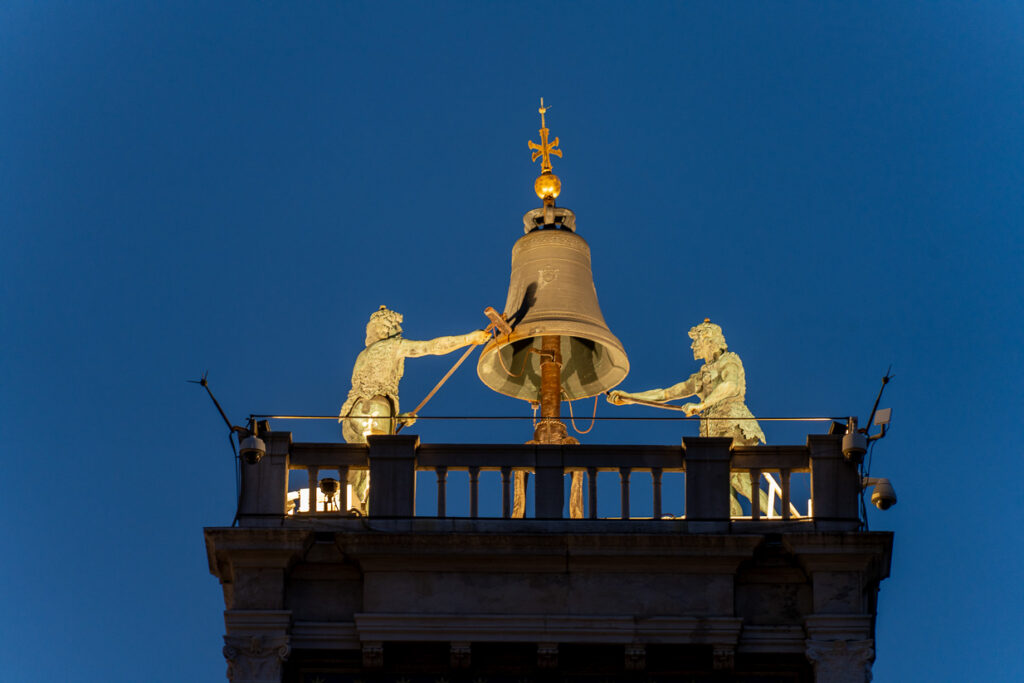
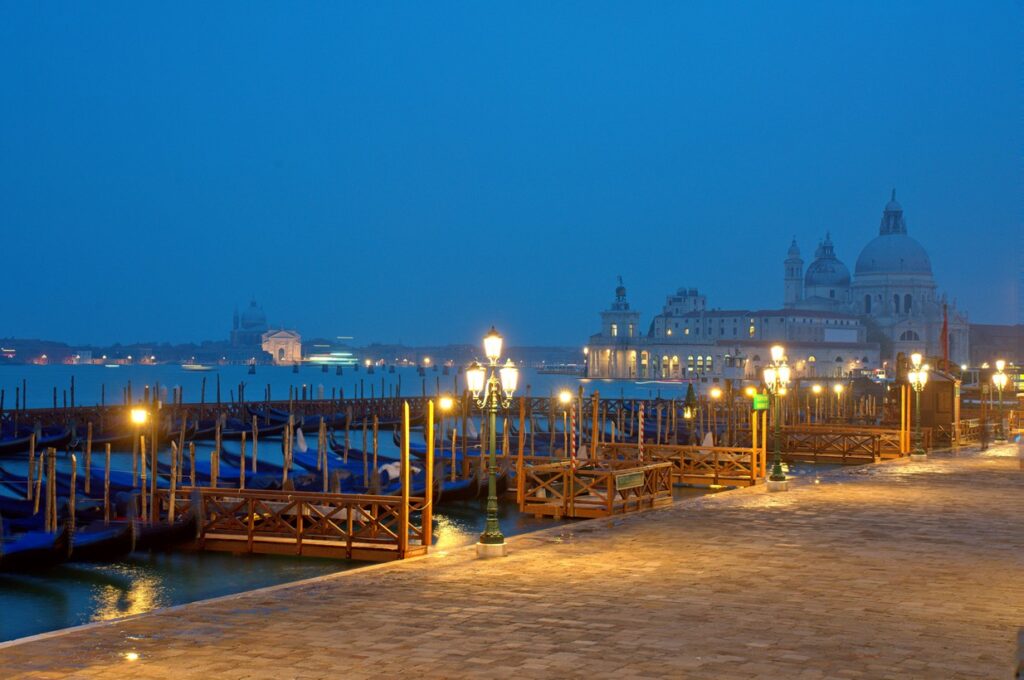
However, the early darkness does have one advantage: you can experience Venice all lit up as early as late afternoon and early evening. The Rialto Bridge, St Mark’s Square, and the illuminated palaces along the Grand Canal offer charming photo opportunities.
For photographers in particular, the so-called "blue hour" immediately after sunset can be especially interesting.
My conclusion: For vacationers, the short winter days may seem like a drawback at first. But if you enjoy photography or want to experience Venice at night, you can definitely turn this into an advantage.
The Italian way of life—what's different in winter?
Venice is famous for its unique architecture, its canals, the gondolas, and its centuries-old history. But for many tourists, there’s something else that makes for a successful stay: that special Italian way of life.
A cappuccino at a sidewalk café, an ice cream in the sun, music in St Mark’s Square, or a leisurely stroll on a warm summer evening—these are the experiences that many visitors associate with Venice.
In winter, the city shows a completely different side of itself.
Street cafés and restaurants
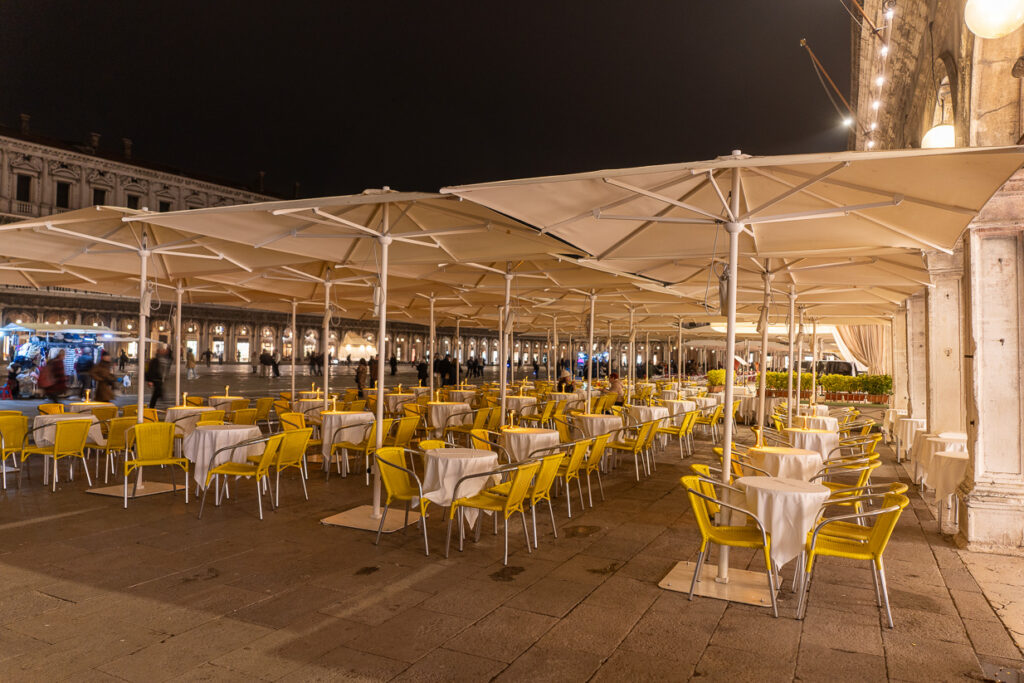
While much of Venetian life takes place outdoors in the spring, summer, and early fall, in the winter, activities shift more toward indoor settings.
When temperatures are low, it's raining, or there's a cold wind, the outdoor patios of cafés and restaurants are less inviting. Some outdoor areas are restricted or are temporarily closed.
Of course, you can still enjoy excellent food and drink in Venice even in winter. The numerous restaurants, traditional bacari, and cozy cafés offer plenty of opportunities to warm up and sample Venetian cuisine.
But the experience is quite different from that of a sunny afternoon on a terrace along the Grand Canal.
Music in St Mark’s Square
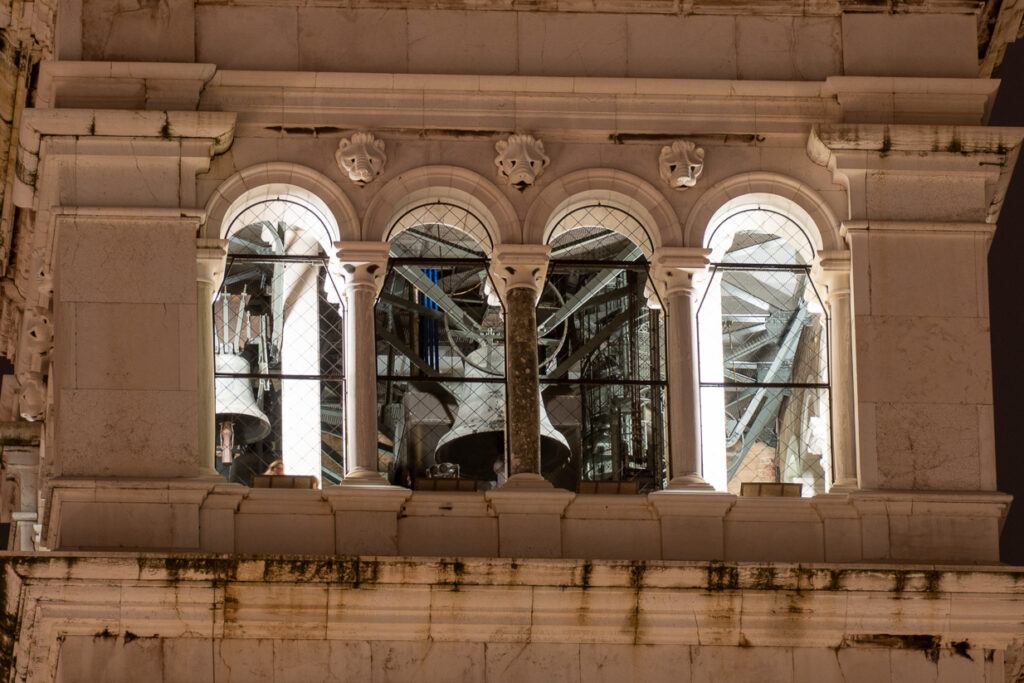
For many visitors, the music played in the historic cafés on St Mark’s Square is among their fondest memories of Venice.
During the warmer months, when the weather permits, you can sit outside and listen to the small orchestras.
In winter, you shouldn't expect this experience to be the same. Outdoor musical performances are weather-dependent and may be limited or canceled.
If you're traveling to Venice specifically for the music and the special atmosphere of the street cafés, the warmer months are the safer bet.
An ice cream at Gelati Nico on the Zattere
A particularly lovely example of the Italian way of life is a visit to the Zattere waterfront promenade.
Here, you can enjoy an ice cream at Gelati Nico and let your gaze wander over the Giudecca Canal. On sunny days, this waterfront promenade is one of the most charming spots in Venice.
In winter, however, it can get extremely unpleasant here. The wide, open expanse of water offers little resistance to the wind.
When there's a cold wind and low temperatures, spending a long time outdoors is much less pleasant than in the summer.
I miss the warm evenings
Another difference has to do with the evening hours.
In the summer, after dinner, you can stroll through the illuminated alleys for hours, sit in a campo, or watch life unfold along the canals.
In winter, it gets dark early. Temperatures drop, and a long evening walk can become unpleasant in damp or windy weather.
Venice doesn't lose any of its beauty because of this. The illuminated palaces, bridges, and canals are just as impressive in winter.
But nothing can replace the carefree feeling of a warm Italian summer evening.
Does that mean Venice is less beautiful in the winter?
That depends on what you expect from your trip.
If you're visiting Venice primarily for its art, history, churches, and museums, you can still enjoy an interesting and varied trip even in winter.
If, on the other hand, you're looking for that Mediterranean lifestyle, enjoy sitting outdoors, and want to experience the city in pleasant temperatures, we recommend traveling during a warmer season.
Our conclusion: Venice is an extraordinary city even in winter. But you shouldn't expect to experience the same Italian vacation vibe there as you would in spring, summer, or early fall.
How crowded is Venice really in the winter?
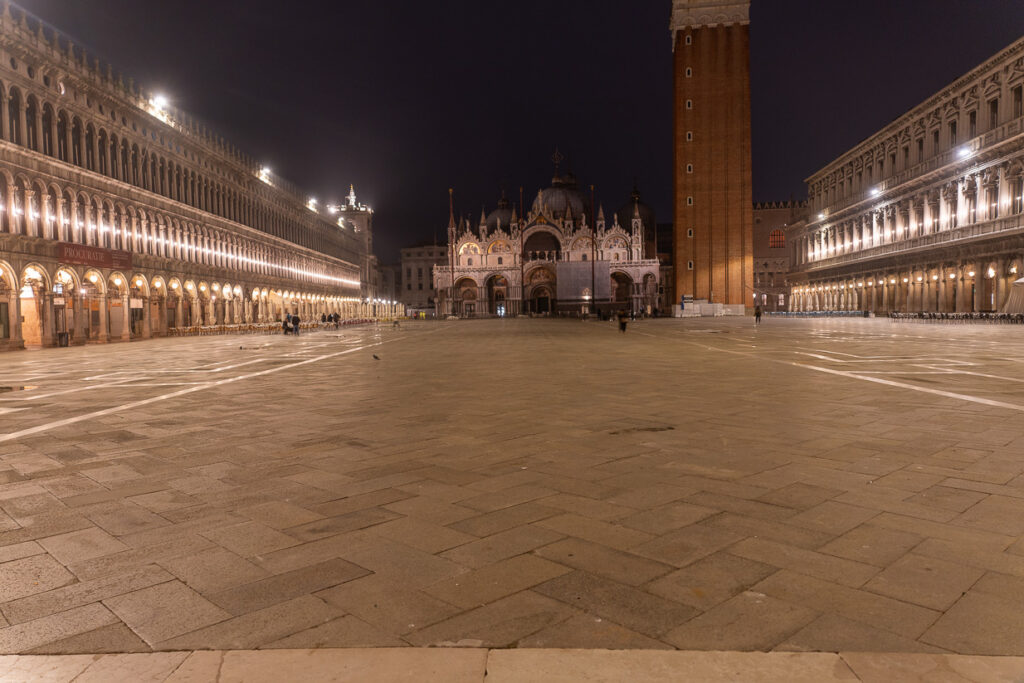
Many vacationers associate a trip to Venice in the winter with the hope of experiencing the city without the large crowds of the peak season. In fact, winter—except for special holidays and events—is one of the quieter times to visit. However, you shouldn’t expect the famous sights and main pedestrian streets to be deserted.
Fewer visitors doesn't mean empty streets
Especially around St Mark’s Square, the Rialto Bridge, and the main routes connecting the train station, Rialto, and San Marco, you should expect to encounter other visitors even in winter.
Furthermore, the number of tourists varies from day to day. Weekends, holidays, events, and weather conditions can significantly affect visitor numbers.
If, on the other hand, you explore the lesser-known neighborhoods, you can discover quieter streets and squares even in winter.
Christmas and New Year's Eve
Around Christmas and New Year's, the situation changes. Festive lights, special events, and the holidays provide additional reasons to travel. That's why there can be significantly more visitors on the road during this time than on typical winter days.
Carnival is an exception
During the famous Carnival, Venice is by no means a quiet winter destination. The events, historical costumes, and masks attract numerous visitors. St Mark’s Square and the main thoroughfares, in particular, can get very crowded.
If you specifically want to visit Venice for its winter tranquility, you should therefore avoid the Carnival season.
Our Advice
Don't plan a winter trip solely in the hope of experiencing Venice with almost no other tourists. The city can be quieter in winter than during the peak season. However, just how big this difference actually is depends heavily on when you travel and which parts of the city you visit.
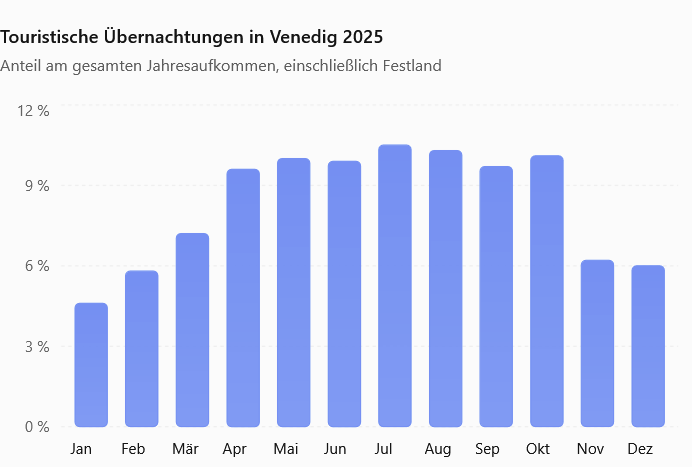
November accounted for 6.2% of the annual total of overnight stays, and January for 4.6%. However, these figures cover the entire municipal area, including Mestre, and do not include day visitors. They therefore do not directly indicate how crowded St Mark’s Square was.
Acqua Alta – Water High in Winter in Venice
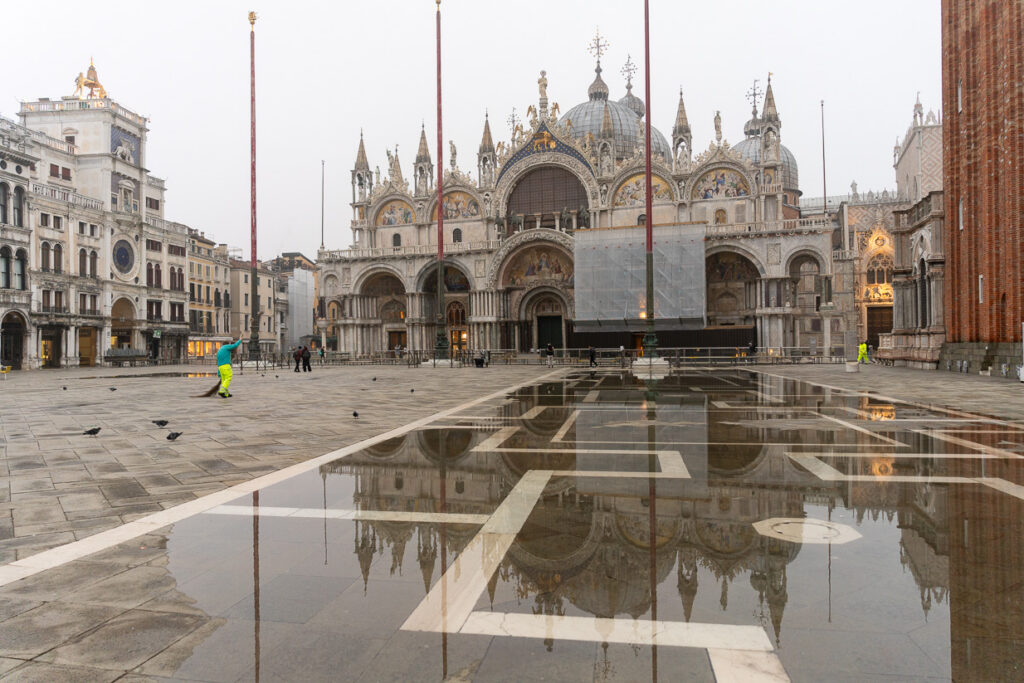
Water levels in Venice can rise, especially in the fall and winter. This phenomenon is known as Acqua Alta, i.e., acqua alta.
It is important for vacationers to know that acqua alta is usually only temporary and does not automatically affect the entire city.
How does acqua alta occur?
Venice is located in the middle of a lagoon that is connected to the Adriatic Sea through several channels. As a result, the water level is subject to natural tides.
If particularly high tides are accompanied by unfavorable weather conditions, the water level in the lagoon can rise significantly.
Air pressure and strong winds play an important role in this, particularly the Scirocco blowing from the southeast.
So, acqua alta isn't simply caused by heavy rain in Venice.
Which neighborhoods are affected?
Not all of Venice's streets and squares are at the same elevation.
St Mark’s Square is one of the lowest-lying areas. As a result, water can already begin to accumulate here even while other parts of the city are still easily accessible on foot.
How much of Venice is affected depends on the water level.
How long will the acqua alta last?
Acqua alta is usually a temporary phenomenon.
With the natural ebb and flow of the tides, the water level drops again. Many flood events therefore last only a few hours or less.
However, under particularly unfavorable weather conditions, elevated water levels may persist for longer periods or occur during several consecutive floods.
How does the MOSE system protect Venice?
With the MOSE flood protection system, Venice has movable flood barriers at the three points where the Venetian Lagoon opens onto the Adriatic Sea.
If high water levels are forecast, the barriers can be raised. This temporarily limits the inflow of seawater into the lagoon.
The system has significantly improved flood protection in Venice.
However, MOSE does not mean that acqua alta can no longer occur in Venice at all. Low-lying areas may still be affected by rising water levels.
What does "acqua alta" mean for your vacation?
Even during acqua alta, you can still visit Venice in many cases.
Depending on the water level, some squares and alleys may be temporarily flooded. In certain areas, raised walkways are set up to keep key routes accessible. When water levels are high, vaporetto routes and stops may also change.
If you're traveling to Venice in the fall or winter, we therefore recommend that you check the current water level forecasts.
Where can you find out if acqua alta is imminent?
The city of Venice operates its own tidal and flood forecasting center, which Tidal Forecast and Advisory Center.
There you'll find current water levels, forecasts, and, if applicable, warnings.
If acqua alta is forecast, you can stay informed in advance and plan your sightseeing accordingly.
Our Conclusion
Acqua alta has been a part of life in the lagoon city for centuries. Thanks to flood forecasts and the MOSE protection system, its effects are now more manageable in many situations.
That doesn't mean you have to rule out a winter trip to Venice just because acqua alta can occur during this time of year.
Stay informed about the current situation before and during your stay. This will help you plan your sightseeing better and take any potential restrictions into account.
An interesting fact for your winter vacation in Venice
The City of Venice has published the following estimates regarding potential flooding at various water levels:
| Water Level | Percentage of Flooded Public Areas |
|---|---|
| +90 cm | 2 % |
| +100 cm | 5 % |
| +110 cm | 12 % |
| +120 cm | 28 % |
| +130 cm | 46 % |
| +140 cm | 59 % |
Official topographic flood levels for the city of Venice, not taking into account a successful MOSE barrier activation. The centimeters are measured relative to the local sea level reference point at Punta della Salute, not to the water depth on the streets.
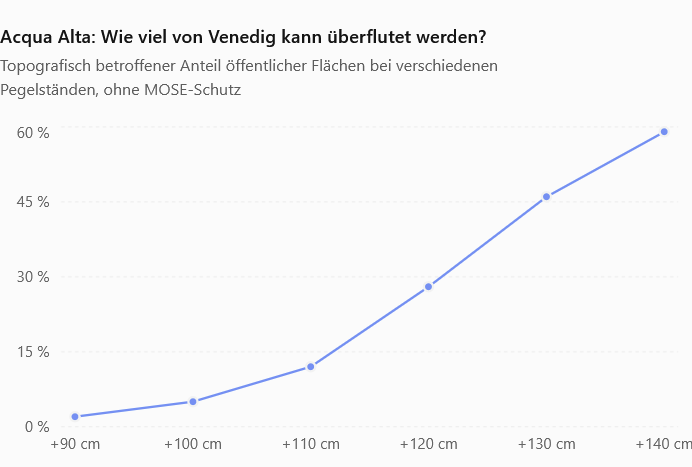
This table clearly illustrates why a photo of a flooded St Mark’s Square does not automatically mean that all of Venice is underwater.
What can you do in Venice when it's rainy and cold?
There’s plenty to discover in Venice even in winter. When rain, cold temperatures, or a chilly wind make long walks unpleasant, numerous sights and cultural attractions offer interesting alternatives.
The world-famous museums, magnificent palaces, and historic churches are especially worth visiting when the weather is bad.
The Doge’s Palace – Experience Venetian History
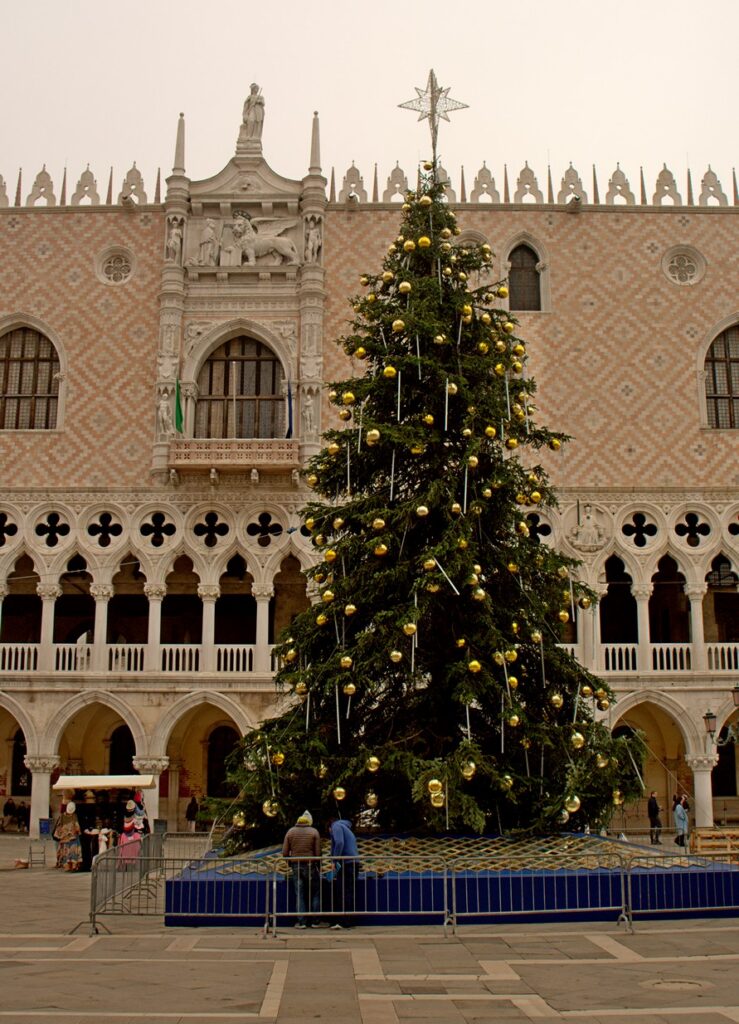
The Doge’s Palace on St Mark’s Square is one of Venice's most important landmarks.
In the magnificent halls, you'll learn a great deal about the political history of the former Republic of Venice. You can view the monumental paintings, the former government chambers, and the famous Bridge of Sighs.
The historic prisons are also part of the tour.
For a thorough tour, you should plan on spending about two to three hours.
The Doge’s Palace is therefore a great way to spend a cold or rainy morning in Venice.
St Mark’s Basilica – Golden Mosaics and Venetian Architecture
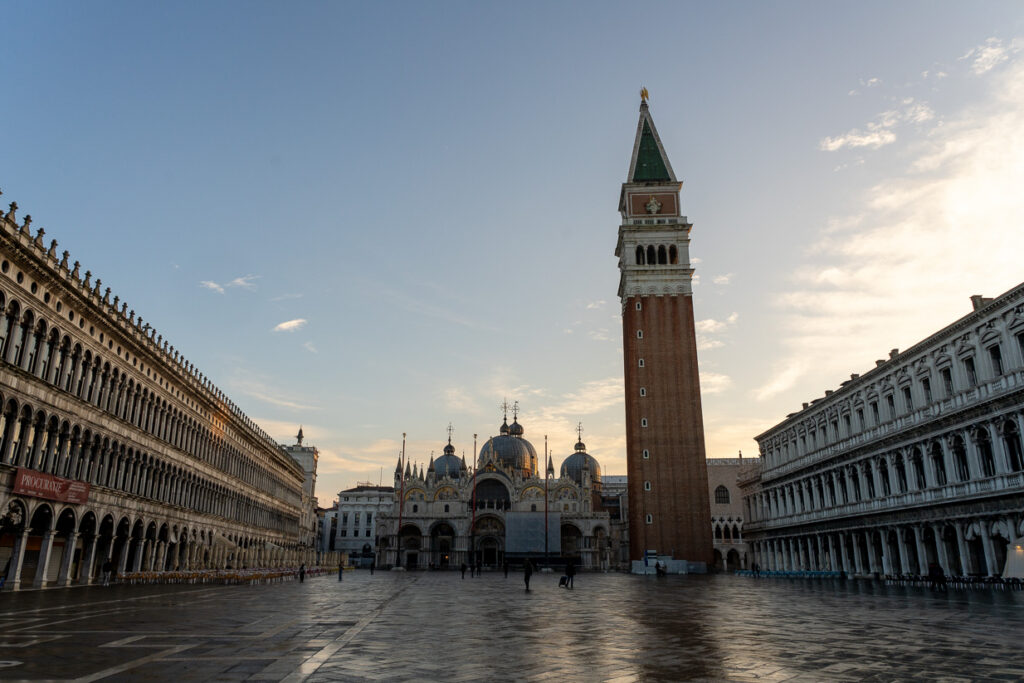
Right next to the Doge’s Palace is the famous Basilica di San Marco.
Particularly impressive are the numerous golden mosaics that adorn large portions of the interior.
The exquisite Pala d’Oro high altarpiece and the museum housing the famous St. Mark’s Horses are also worth seeing.
When visiting, please note that restrictions may apply to tourists during religious events.
The Gallerie dell’Accademia – Venetian Painting
If you're interested in art, we recommend the Gallerie dell’Accademia in the Dorsoduro district.
Here you will find one of the most significant collections of Venetian painting, featuring works by Giovanni Bellini, Titian, Tintoretto, Veronese, and others.
For art lovers, the exhibitions can keep them occupied for several hours.
Especially on a rainy winter day, the museum offers the opportunity to delve deeply into the art history of Venice.
The Museo Correr – History on St Mark’s Square
The Museo Correr is located on the opposite side of St Mark’s Square.
The museum offers a comprehensive look at the history, art, and culture of Venice.
On display are historic rooms, paintings, sculptures, and numerous artifacts from the era of Venice.
The museum is particularly interesting for visitors who want to learn more about daily life and the city's development.
Churches – Art Treasures Behind Historic Facades
Venice has numerous churches whose interiors house significant works of art.
Particularly worth seeing, for example, are the Church of the Frari, with works by Titian; the Church of San Zaccaria, with its famous painting by Giovanni Bellini; and the Basilica della Salute at the entrance to the Grand Canal.
A tour of the church can easily be combined with a walk through the surrounding neighborhoods.
Keep in mind, however, that historic churches aren't necessarily heated in the winter. So spending time inside doesn't always mean you'll be able to warm up.
Attend a concert or a musical event
Venice has a rich musical history. Famous composers such as Antonio Vivaldi have shaped the city's musical life.
Concerts and musical events are held even in winter.
A concert in the late afternoon or evening can be a nice way to round out a day of sightseeing.
Before you travel, check the current event schedule and ticket availability.
A relaxing break at a café or bacaro
Not every day of your vacation has to be completely filled with sightseeing.
Especially when it's rainy and cold, it's nice to take a break at a cozy café or a traditional Venetian bacaro.
Enjoy a cappuccino, a hot cup of tea, or try some Venetian cicchetti, the typical small dishes of the lagoon city.
This way, you can get to know a bit of Venetian food and drink culture even in winter.
Our tip for rainy winter days
Plan your sightseeing trips to be as flexible as possible.
If rain is forecast for the day, you can plan a visit to a museum or a longer tour of a church.
On sunny days, however, walks, trips to the islands, and outdoor sightseeing are ideal.
Our conclusion: Venice offers plenty of interesting things to do, even in bad winter weather. Those with a particular interest in culture can spend several varied days here. On the other hand, anyone who mainly wants to enjoy walks, outdoor cafés, and the outdoors should not underestimate the limitations of a winter trip.
Vaporetto and Trips to the Islands in Winter
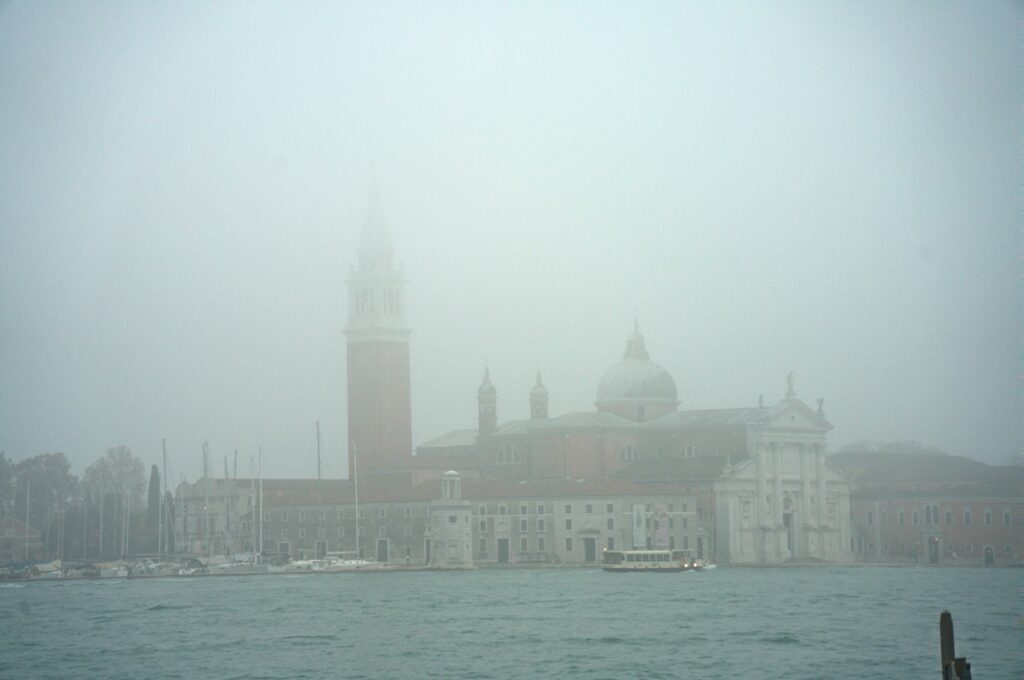
Even in winter, public vaporetti operate on the Grand Canal and between the islands of the Venetian Lagoon.
That's why you can visit Murano, Burano, Torcello, or the Lido even during the cold season.
However, there are a few special considerations you should keep in mind when planning your trip.
Taking the vaporetto across the Grand Canal
A ride on Vaporetto Line 1 is one of the best ways to explore Venice from the water.
The route runs along the Grand Canal, past numerous historic palaces, the Rialto Bridge, and the famous Basilica della Salute.
This trip is also recommended in winter.
On sunny days, the outdoor seating areas offer a magnificent view of the city. When it's raining, windy, or cold, however, the sheltered seating areas are more comfortable.
Keep in mind that the boats open their doors regularly at the stops. As a result, it can get chilly inside as well.
Murano – The Island of Glass Art
Murano is an interesting place to visit even in winter.
The island is world-famous for its traditional glassmaking. You can visit glass shops, learn about the history of glassmaking, and, if you'd like, watch a glassmaking demonstration.
However, you should check the opening hours before you go. Not every glass workshop offers public demonstrations every day.
We recommend setting aside about two to three hours for a visit to Murano.
Burano – the island of colorful houses
The colorful houses of Burano are among the most famous photo subjects in the Venetian Lagoon.
Even in winter, the colorful facades retain their special charm. When the sun shines, beautiful color contrasts emerge, while fog and overcast skies create a completely different atmosphere.
However, a large part of the visit takes place outdoors.
When it's raining and there's a cold wind, a long walk through the alleys and along the canals can be unpleasant.
If you'd like to visit Burano in the winter, we therefore recommend choosing a dry day if possible.
Torcello is one of the most historically significant islands in the lagoon.
The famous Cathedral of Santa Maria Assunta serves as a reminder of the early settlement of the Venetian Lagoon.
The island is much less densely built-up than Venice or Murano. Large parts of the landscape consist of open spaces and waterways.
That is precisely why Torcello can have a special charm in winter.
However, you'll be more exposed to the wind and weather here. When temperatures are low, you should wear warm clothing.
Also, be sure to check the cathedral's hours of operation and transportation options for your return trip.
The Lido in Winter
The Lido is best known for its long sandy beaches and its status as a seaside resort.
In the summer, many visitors come here to spend a day at the beach.
In winter, the situation is completely different. The beaches aren't a typical destination for a beach vacation, and many seasonal activities aren't available.
A walk along the Adriatic beach in winter can still be interesting, especially if you want to experience the sea outside of the swimming season.
However, with strong winds and low temperatures, you shouldn't expect a relaxing day at the beach.
Take the short winter days into account
One particularly important factor to consider when planning trips to the islands is the length of the day.
In December, the sun sets in Venice as early as 4:30 p.m.
If you want to visit Murano, Burano, and Torcello in a single day, you should set out as early as possible.
Be sure to allow enough time for the boat rides, any waiting times, and your sightseeing.
For a relaxing trip, it might make more sense to limit yourself to one or two islands.
Winter Schedules and Possible Restrictions
The vaporetti generally operate year-round. However, some winter schedules differ from those during the summer season.
Some routes run less frequently or are suspended seasonally.
Dense fog and adverse weather conditions can also lead to changes in shipping traffic.
Therefore, before taking a trip to the island, check the current schedules and allow plenty of time for your return trip.
Our Conclusion
The islands of the Venetian Lagoon are worth visiting even in winter.
Murano, with its glass art, and Torcello, with its history, in particular, offer interesting sightseeing opportunities.
Burano is especially charming in dry weather, while a trip to the Lido in winter is better suited for visitors who want to take a walk by the sea.
Our advice: If possible, plan longer trips to the islands on sunny—or at least dry—winter days. In case of rain, strong winds, or thick fog, we recommend sticking to sightseeing within Venice.
Update: What does ACTV say about the 2026/2027 winter schedule?
Here is some specific information that we can use for Venedig.com.
According to the official ACTV announcement dated October 26, 2026, the following changes, among others, will take effect:
- Line 3 to Murano generally runs every 30 minutes during the day.
- Line 12 between Fondamente Nove and Burano also runs every 30 minutes during part of the day.
- Line 7 will be suspended during the winter.
- There are also changes to lines 2, 6, and 14. ACTV
In the event of dense fog, ACTV may restrict service or change schedules. To do so, the company uses, among other things, visibility measurements in the lagoon.
Are hotels in Venice cheaper in the winter?
A trip to Venice can be less expensive in the winter than in the spring, summer, or early fall. You can save money, especially on lodging costs.
However, hotel rates depend heavily on your travel dates, the hotel's location, and current demand.
Cheaper hotel rooms during the off-season
In November, January, and sometimes even in February, demand for hotel rooms is often lower than during the peak tourist season.
Many hotels are responding by offering lower room rates.
This may be of particular interest to you if you'd like to spend several days in Venice and are flexible about your travel dates.
Depending on the circumstances, you might even be able to afford a hotel in a better location or a higher category during the winter—one that would be significantly more expensive during peak season.
Christmas and New Year's Eve—not always cheap
Different conditions apply around Christmas and New Year's.
The festive atmosphere and special events attract additional visitors. As a result, room rates can rise significantly during this time.
If you'd like to visit Venice over Christmas or New Year's Eve, we recommend comparing prices well in advance.
Carnival—a special peak season in winter
Another exception is the famous Carnival.
During Carnival, numerous visitors travel to Venice to experience the historic costumes, masks, and events.
As a result, demand for centrally located hotels could increase significantly.
If you're planning to visit Venice mainly because of the affordable lodging rates, you should avoid the Carnival season if possible.
A hotel right in Venice or on the mainland?
Many visitors wonder whether they should stay in the historic old town or on the mainland, for example in Mestre.
Hotels in Mestre may be less expensive. However, you'll need to factor in the additional trips to Venice, as well as the associated costs and travel time.
A hotel right in Venice can be especially pleasant, especially in winter.
If it's raining, very cold, or you just want to warm up for a bit, it's easier to head back to your hotel.
Even in the evening, you don't have to head back to the mainland right away.
Is it worth staying for a longer period in the winter?
If you're particularly interested in museums, churches, history, and art, a winter trip lasting several days could be quite appealing.
However, the shorter days and the changeable weather mean it’s a good idea to allow plenty of time.
With three or four nights' stay, you can spread out your sightseeing more flexibly across sunny and rainy days than you could on a very short trip.
Our Tip for Booking a Hotel
Compare room rates for different travel dates. Even shifting your trip by just a few days can be worth it financially.
When making your reservation, consider not only the room rate, but also the location, the cancellation policy, any additional fees, and the hotel's accessibility.
Our conclusion: Lower hotel rates can be a real advantage of a winter trip to Venice. It’s especially worth comparing prices outside of Christmas, New Year’s Eve, and Carnival. However, there’s no guarantee of low room rates.
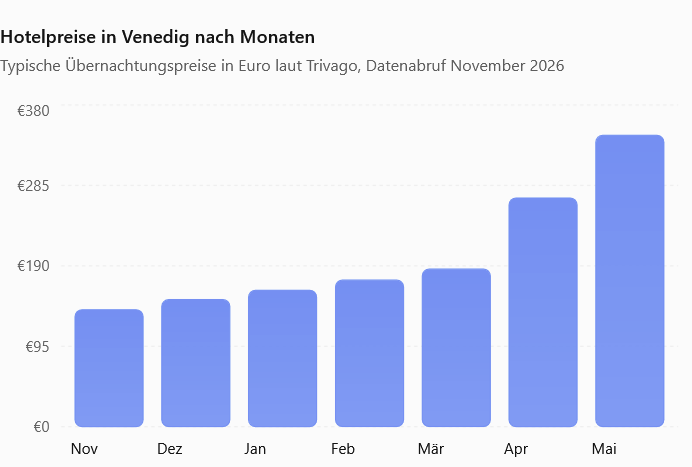
According to an analysis by a booking platform, November is the cheapest month for hotel stays. The typical prices listed there are significantly lower than those in the spring.
Christmas and New Year's Eve in Venice
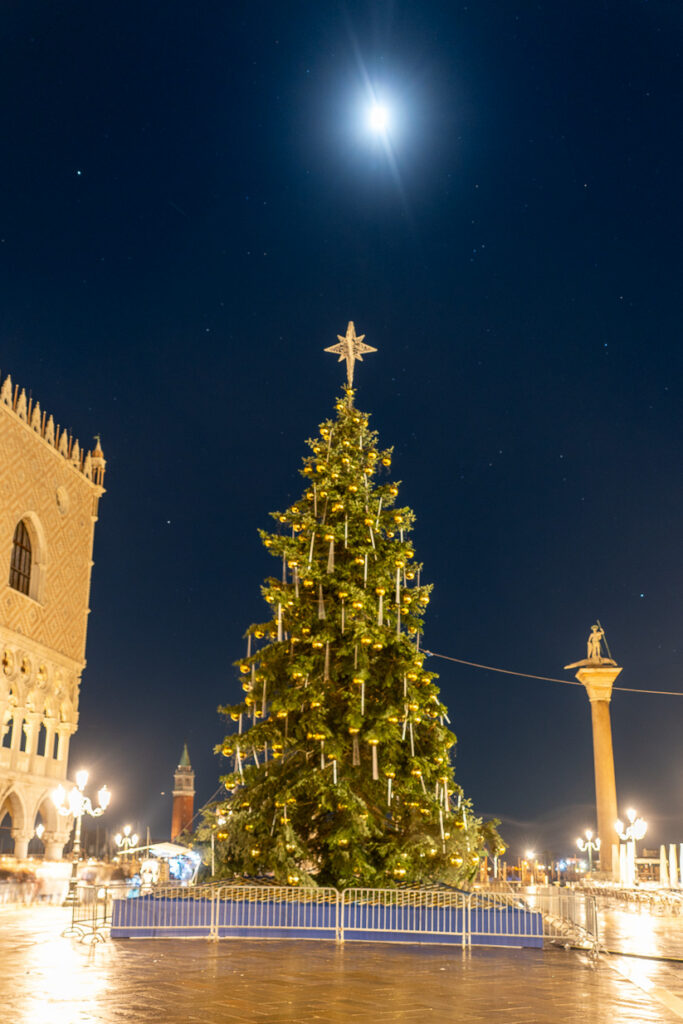
The Christmas season gives Venice a special atmosphere. Festively lit alleys, decorated squares, Christmas trees, and musical events add variety to the dark winter months.
The end of the year also offers special experiences. However, there are a few things you should keep in mind if you're traveling over Christmas or New Year's Eve.
Christmas Lights in Venice
Starting in late November, many streets, squares, and shopping areas will be festively lit.
You can admire the Christmas decorations, especially around St Mark’s Square, the Rialto Bridge, and in the central alleys.
Since the sun sets around 4:30 p.m. in December, you can experience the city all lit up as early as late afternoon.
The historic facades, bridges, and canals provide an extraordinary backdrop.
Christmas Markets and Ice Skating
Christmas events are also held in Venice and on the mainland during the Advent season.
These include smaller Christmas markets, musical performances, and activities for families.
One unique feature is the ice rink on Campo San Polo. Here, you can go ice skating right in the heart of the historic old town.
However, don't expect a Christmas market scene like the ones in Germany or Austria. Venice has its own Christmas atmosphere, one that is more deeply rooted in the city and its historic squares.
Christmas in Venetian Churches
Venice's many churches are particularly interesting places to visit during the Christmas season.
Religious services and Christmas celebrations are held at St Mark’s Basilica and other churches.
If you would like to attend a church service, please check the schedule in advance.
Please note that sightseeing may be limited during religious celebrations.
Concerts and Musical Events
Venice has a centuries-old musical tradition.
During the Christmas season, concerts, choral events, and other musical performances take place.
The historic Teatro La Fenice is particularly well known for hosting festive concerts at the turn of the year.
For music lovers, attending a concert like this can be one of the highlights of a winter trip.
New Year's Eve in Venice
The New Year is celebrated in Venice with special events.
One of the highlights is the fireworks display over the Bacino di San Marco, the large body of water in front of St Mark’s Square.
The lights and their reflections on the water create an extraordinary backdrop.
If you'd like to watch the fireworks, you should find out about the designated viewing areas well in advance.
On New Year's Eve, you should also expect large crowds and longer wait times on major sidewalks and for public transportation.
Hours of Operation During the Holidays
On Christmas, New Year's Eve, and New Year's Day, museums, attractions, restaurants, and stores may have different opening hours.
Some facilities are completely closed on certain holidays.
Therefore, before you travel, check which attractions you’d like to visit and whether they’ll be open on the dates you’ve chosen.
You should also make restaurant reservations for Christmas and New Year's Eve as early as possible.
Our Conclusion
Christmas and New Year's Eve are special occasions for a winter trip to Venice.
The festive lights, musical events, and New Year's celebrations by the water make this time of year special.
However, the typical downsides of winter remain: short days, low temperatures, and possibly rainy weather.
In addition, there is greater demand for hotel rooms and more visitors to popular attractions during the holidays.
Our advice: If you want to visit Venice for its Christmas atmosphere, music, and festive events, a trip in December can be especially worthwhile. If, on the other hand, you're looking for a quiet getaway and affordable accommodations, you should probably avoid the days immediately surrounding the holidays.
Latest updates for Christmas 2026 and New Year's Eve 2026/2027
The city of Venice has now released its Christmas program. The following events have been officially announced:
| Date | Event |
|---|---|
| November 20, 2026 | Turning on the Christmas lights and the Christmas tree at St Mark’s Square |
| Starting November 28 | Ice Rink on Campo San Polo |
| December 20, 10 a.m. | Santa Claus Boat Parade on the Grand Canal |
| December 29, 5:30 p.m. | Big Vocal Orchestra Concert at Piazzetta San Marco |
| December 29 through January 1 | New Year's Concerts at the Teatro La Fenice |
| December 31, midnight | New Year's Eve fireworks over the Bacino di San Marco |
Here's some information that will be especially useful to you: The New Year's Eve fireworks are hard to see from St Mark’s Square itself. The city recommends the waterfront areas toward the Arsenale, particularly Riva degli Schiavoni, Riva Ca‘ di Dio, Riva San Biagio, and Riva dei Sette Martiri.
The Venice Carnival—a special winter experience
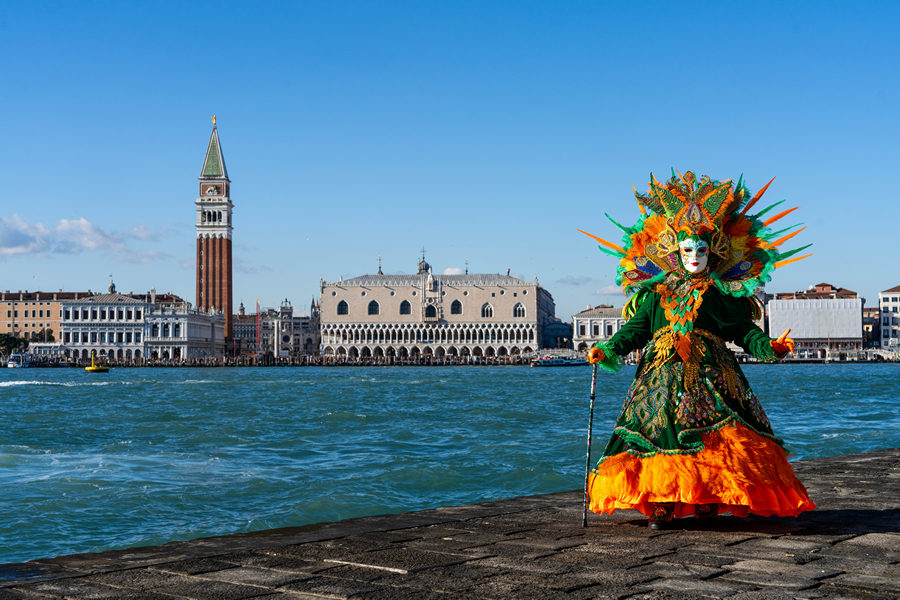
The famous Carnival is one of Venice's most extraordinary events and, for many visitors, a special reason to visit the city in the winter.
Historical costumes, intricately designed masks, and numerous events transform Venice into a unique setting during Carnival season.
Historical Costumes and Venetian Masks
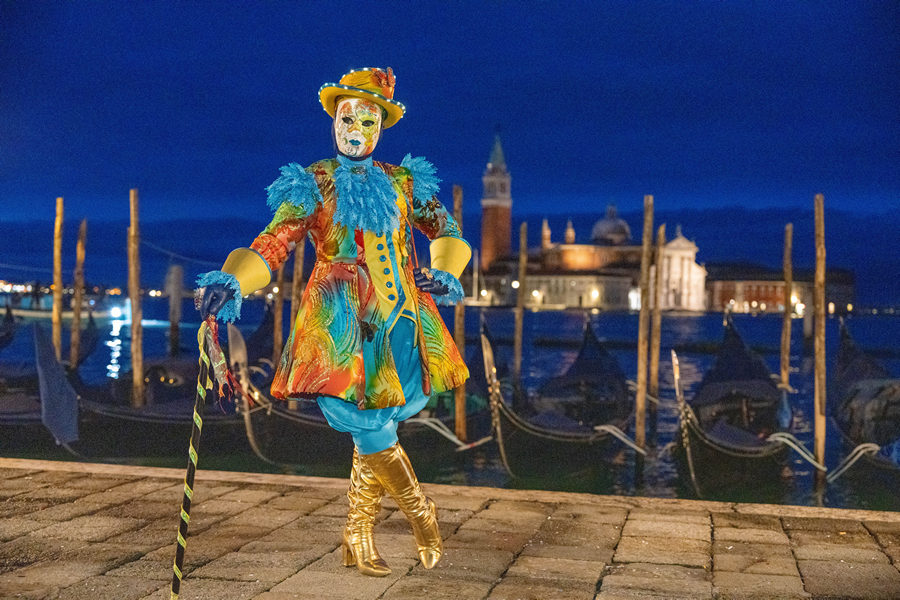
Particularly impressive are the elaborately costumed participants you’ll encounter in Venice’s squares and alleys during the Venice Carnival.
Many costumes are inspired by Venetian fashion from past centuries. Magnificent fabrics, ornate masks, and elegant accessories evoke the era of the former Republic of Venice.
Especially around St Mark’s Square, there are plenty of opportunities to watch and take pictures of the costumed participants.
Events During Carnival
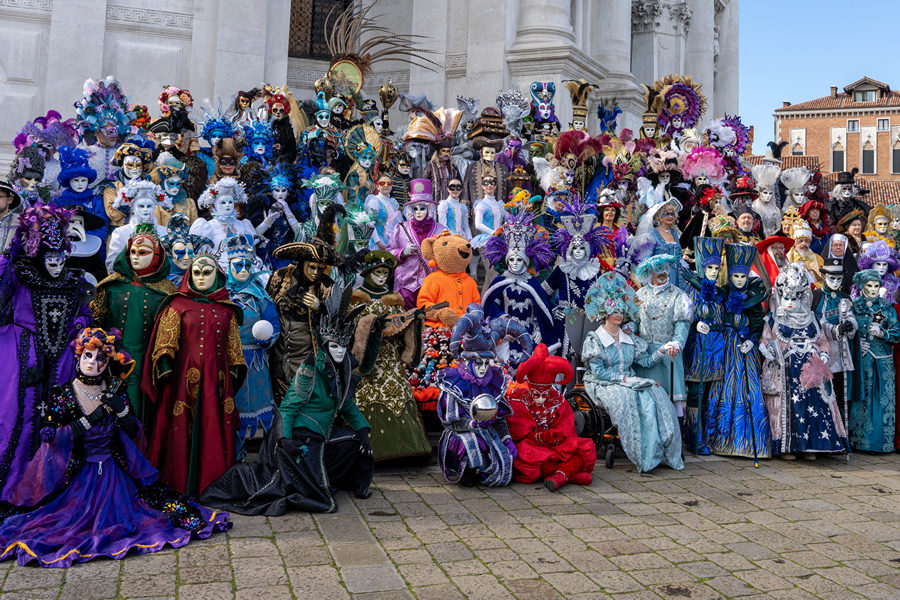
Carnival includes public events, costume shows, musical performances, and other activities.
In addition, private masquerade balls and festive evening events are held, for which separate tickets are usually required.
The exact program changes from year to year.
If you'd like to attend the Carnival, you should find out about the current dates and events well in advance.
Is Venice crowded during Carnival?
During Carnival, you should expect significantly more visitors than on a typical winter day.
Especially on weekends and during major events, the area around St Mark’s Square and the main pedestrian walkways can get very crowded.
If you'd like to visit Venice for its winter tranquility, the Carnival season is therefore not the best time to go.
What's the weather like during Carnival?
Carnival usually takes place in February, but depending on when Easter falls, it can also begin as early as January or extend into March.
You should therefore expect winter-like temperatures, rain, fog, and a cold wind.
If you plan to spend an extended period of time outdoors, we recommend that you wear warm clothing and weatherproof shoes.
Is it worth taking a trip to the Carnival?
If you'd like to experience historical costumes, Venetian masks, and special events, Carnival is an excellent time to take a winter trip.
However, you should be prepared for the fact that Venice is neither particularly quiet nor necessarily inexpensive during this time.
Our conclusion: Carnival is a special exception during the winter travel season. It offers experiences you can’t expect to find in this form at any other time of year. If you’re interested in the Venetian Carnival tradition, a trip can be worthwhile even in cold winter weather.
What kind of clothes do you need for winter in Venice?
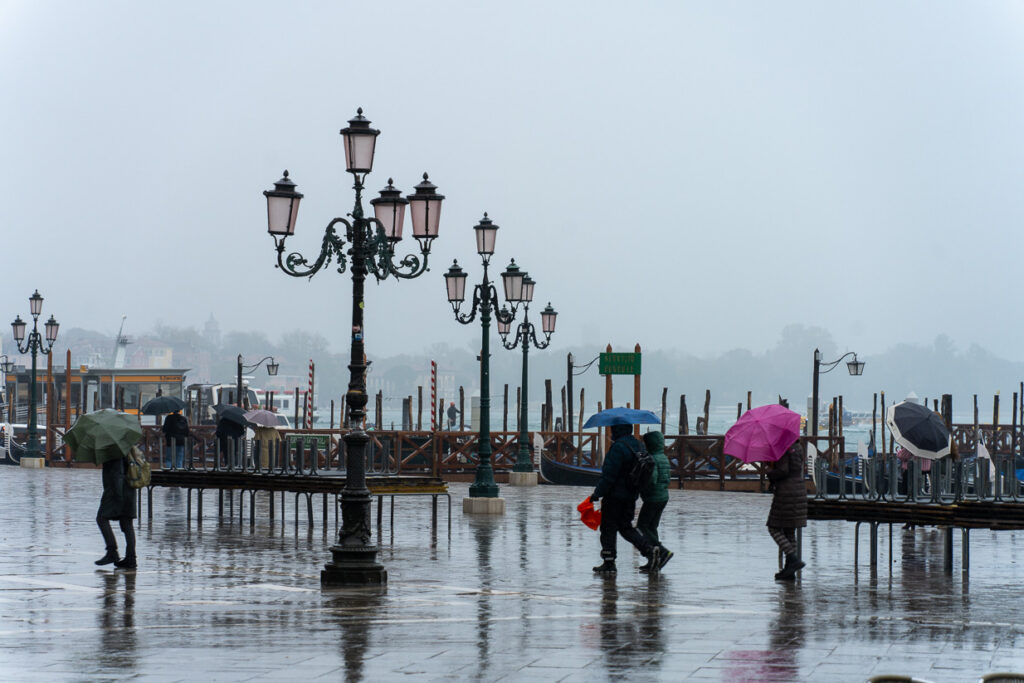
A temperature of 5 °C in Venice can feel extremely unpleasant when there is wind and high humidity.
On top of that, you’ll often spend several hours walking, waiting at vaporetto stops, or traveling through the lagoon on open-air boats.
Packing List for Venice in Winter
- Warm, windproof winter jacket
- Comfortable shoes that are as waterproof as possible
- Warm sweaters and mix-and-match clothing
- Hat, scarf, and gloves
- Rain gear or a jacket with a hood
- Small daypack with rain cover
- When acqua alta is forecast: appropriate overboots
If you visit Venice between November and February, be sure to pack warm, weather-appropriate clothing.
Although winter temperatures in Venice are generally milder than in many regions of Germany or Austria, the cold can still be uncomfortably noticeable.
High humidity and wind over the open waters of the lagoon, in particular, affect how cold a person feels.
A warm and windproof winter jacket
A good winter jacket is one of the most important items of clothing for your stay.
We especially recommend a jacket that not only keeps you warm but also protects you from wind and rain.
Along the waterfront promenades—for example, along the Riva degli Schiavoni or at the Zattere—the wind can feel significantly stronger than in the narrow alleys of the historic center.
Even on longer vaporetto rides, it can get very cold on the open outdoor decks.
Warm clothing using the layering principle
We recommend that you wear several layers of clothing.
A long-sleeved undershirt, a sweater, and a warm jacket go well together.
When you visit a museum, restaurant, or café, you can take off individual items of clothing.
On the other hand, during longer stays outdoors, you'll be adequately protected from the cold.
Comfortable and waterproof shoes
The right shoes are especially important.
Venice is a city best explored on foot. Many visitors walk several kilometers each day, crossing numerous bridges with steps along the way.
When it rains, the cobblestones and bridge steps can become slippery.
We therefore recommend comfortable shoes that are as waterproof as possible and have a slip-resistant tread.
New shoes that haven't been broken in yet aren't the best choice for a city trip lasting several days.
Hat, scarf, and gloves
Even if daytime temperatures are above freezing, a hat, scarf, and gloves can be very comfortable.
This is especially true for boat rides, long walks along the water, and sightseeing in the evening.
A scarf also protects your neck from the cold wind.
Don't forget your rain gear
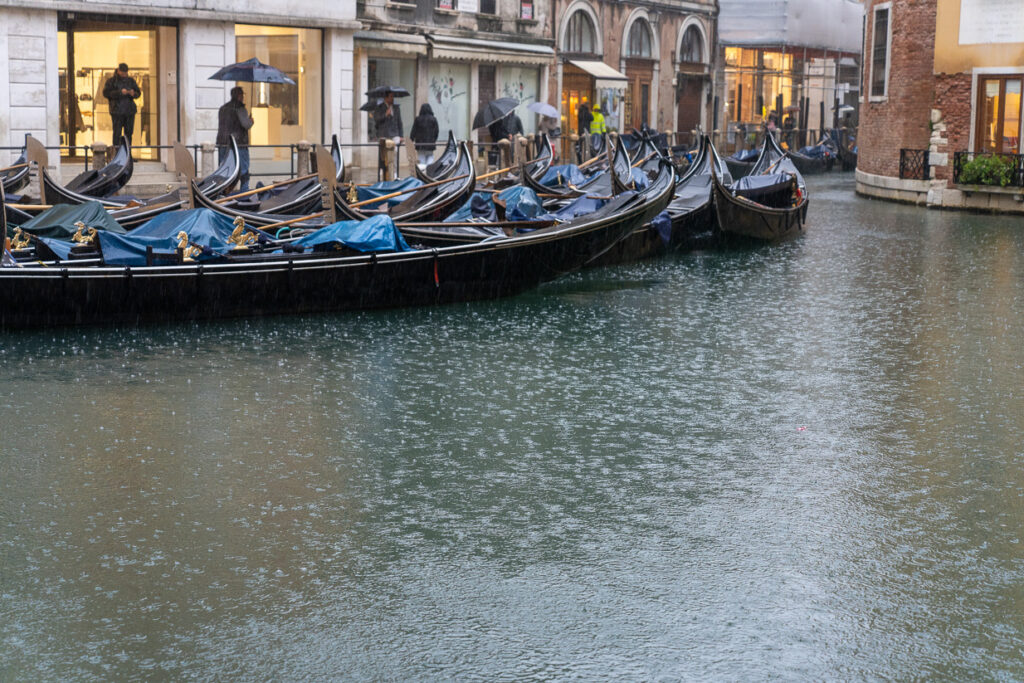
Even in winter, you should expect rain in Venice.
That's why a waterproof jacket with a hood is especially practical.
A small, sturdy umbrella can also be helpful. In strong winds, however, a hood is often the better choice.
Also, remember to protect sensitive items such as cameras, cell phones, and documents from getting wet.
Do you need rubber boots because of acqua alta?
For a typical winter vacation, you don't necessarily have to bring rubber boots.
Thanks to the MOSE flood protection system, many floods that used to occur frequently have become much less common.
Nevertheless, when water levels rise, some low-lying areas may be temporarily flooded.
If an "acqua alta" is forecast during your stay, waterproof boot covers may come in handy.
It's best to check the latest flood forecasts.
Even historic churches can be cold
There's one thing that's often overlooked when planning a trip: Not all indoor spaces in Venice are comfortably heated.
Temperatures can be quite low in the winter, especially in large historic churches.
If you plan to spend a long time touring churches, you should therefore wear warm clothing inside as well.
Our Tip for Your Winter Trip
Plan your outfit not only based on the weather forecast, but also on your planned activities.
You'll need different gear for a visit to a museum than for a longer boat ride to Burano or an evening stroll along the lagoon.
Our conclusion: With warm, windproof clothing and comfortable, waterproof shoes, you'll be well prepared for a winter vacation in Venice. Above all, don't underestimate the cold wind and the longer periods of time you'll spend outdoors.
Restaurants, Cafés, and Stores in Winter
Even in winter, you don't have to miss out on good food, cozy cafés, or a shopping spree in Venice.
After all, the city is not just a tourist destination, but also the place where many Venetians live and work.
However, culinary and business life during the cold season differs, in some respects, significantly from that of the summer months.
Are restaurants open in the winter?
Many restaurants and traditional Venetian eateries are open year-round.
That means you can also sample Venetian cuisine in December, January, or February.
However, some restaurant owners use the quieter winter weeks for company holidays or renovations. Especially after the New Year, some restaurants may remain closed for a few days or weeks.
If you'd like to visit a specific restaurant, you should check its current hours of operation beforehand.
The Traditional Bacari
A particularly enjoyable way to experience Venice in the winter is to visit a traditional bacaro.
These small Venetian restaurants are known for their cicchetti—small dishes that are often served with a glass of wine.
Especially when it's raining or there's a cold wind, you can take a cozy break here.
Bacari are part of everyday Venetian culture and are by no means exclusively tourist establishments.
Keep in mind, however, that many of these establishments have their own days off and are not open continuously from the morning until late at night.
Street cafés and outdoor patios
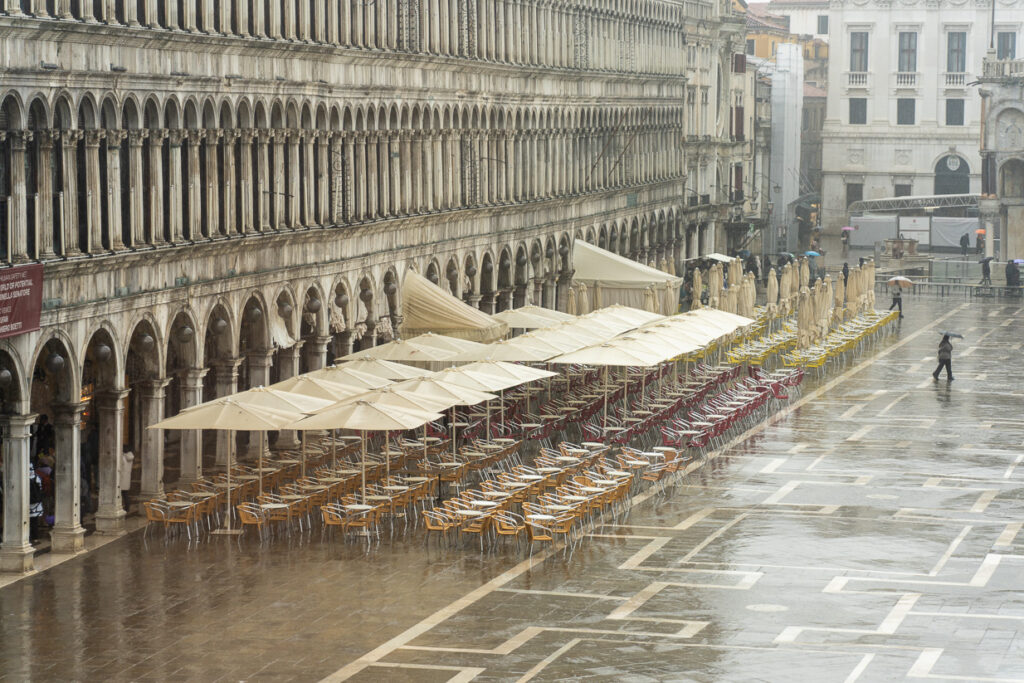
You'll notice a clear difference from the warmer months when it comes to the sidewalk cafes.
In the spring and summer, the numerous outdoor terraces are among the most popular places for visitors to spend time.
In winter, these places are less pleasant due to low temperatures, rain, and cold winds.
Some cafés are reducing the number of outdoor seats or temporarily doing away with them altogether.
The musical performances on the terraces of St Mark’s Square are also not expected to be the same as they are during the warmer months.
If you associate the Italian way of life primarily with a leisurely stay at a sidewalk café, you should take this difference into account when planning your trip.
Are stores open in the winter?
Most of Venice's major shopping streets remain bustling even in winter.
You'll still find numerous shops, especially in the central areas between the Rialto Bridge and St Mark’s Square.
However, smaller, tourist-oriented stores may shorten their hours or close temporarily.
Individual arts and crafts shops and glass shops may also close for the winter.
If you'd like to visit a specific repair shop or a particular store, we recommend that you check their hours of operation beforehand.
Shopping During Christmas and New Year's
During the Christmas season, many shopping streets are festively lit.
However, you should expect some restrictions on public holidays.
This applies in particular to December 25 and January 1.
Stores may also close early on Christmas Eve and New Year's Eve.
Therefore, try not to wait until a holiday to make important purchases.
Our Tip for Your Winter Stay
If you're visiting Venice in the winter, you should be a little more flexible when choosing restaurants and cafes.
Don't assume that every restaurant you remember from a previous summer vacation will still be open in January or February.
It's a good idea to check the opening hours in advance, especially for restaurants you really want to visit.
Our conclusion: Even in winter, Venice offers plenty of opportunities to enjoy good food, visit cozy cafés, and go shopping. However, you should expect some businesses to be closed for the holidays, limited opening hours, and significantly fewer people on the outdoor terraces.
Who should take a winter trip to Venice—and who shouldn't?
Venice is an extraordinary city no matter the season. However, not every season is equally suitable for every visitor.
In winter, Venice feels different than it does in spring, summer, or fall. The days are shorter, the temperatures are lower, and life on the streets and in the squares takes on a different character.
Whether a winter trip is worth it for you therefore depends mainly on what you expect from your stay.
For art and culture enthusiasts
If you're planning to visit Venice primarily for its history, architecture, and art, winter can be an interesting time to travel.
The Doge’s Palace, the numerous museums, the historic churches, and the impressive art collections can generally be visited even during the winter months.
Especially when the weather is bad, these attractions offer great ways to make your day more interesting.
However, please note that some historic churches are not well heated, and certain facilities may have reduced hours.
Our recommendation: For those interested in art and culture, a winter trip can definitely be worthwhile.
For visitors who are already familiar with Venice
If you've ever visited Venice in the spring or summer, a winter trip there can be especially interesting.
You're already familiar with the city in warm weather, so now you can discover a different side of Venice.
The low-hanging sun, wintry lighting, occasional fog, and the early onset of evening lighting transform the appearance of the canals, bridges, and historic buildings.
Even a walk through less-visited neighborhoods can have its own special charm in winter.
Our recommendation: For repeat visitors who specifically want to experience a different season, winter is a great option.
For photographers and filmmakers
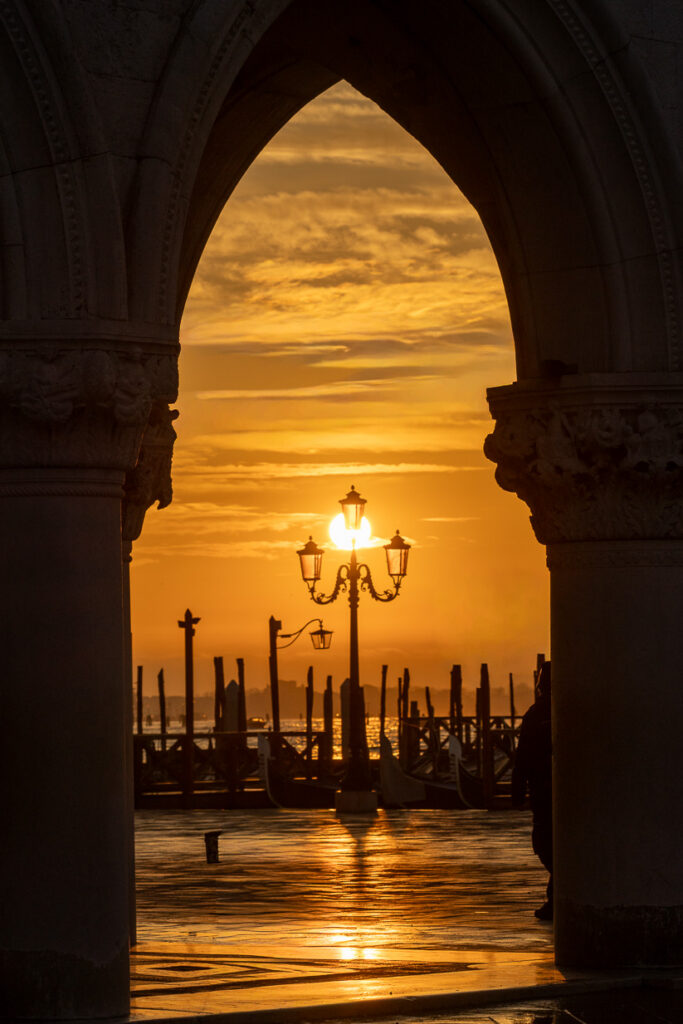
Venice offers exceptional photo opportunities even in winter.
Particularly interesting are the low-angle sunlight, the reflections on the canals, the buildings lit up in the evening, and the occasional misty atmosphere.
Since the sun sets in the late afternoon, you can take night photos without having to wait until late in the evening.
However, the lighting conditions aren't always ideal. On heavily overcast days, the city can appear gray and lack contrast for many hours.
Our recommendation: For photographers who are interested in unique lighting conditions and are flexible when it comes to the weather, winter can be exceptionally appealing.
For budget-conscious travelers
Outside of holidays and Carnival, hotel rates may be lower than during peak season.
If you're flexible about your travel dates, it's worth comparing prices.
Keep in mind, however, that Christmas, New Year's Eve, and Carnival can be peak travel seasons.
Our recommendation: Winter can be an attractive option for budget-conscious travelers, especially on regular weekdays when there are no major events taking place.
For Carnival Visitors
The Venetian Carnival is a special occasion for a winter trip.
The historical costumes, elaborate masks, and events offer experiences you wouldn't expect to find in this form during the rest of the year.
However, during Carnival, you should expect large crowds and possibly higher hotel rates.
Our recommendation: If you want to experience the famous Carnival, a winter trip is, of course, the right choice.
For families with young children
A winter trip with young children requires a little more planning.
Long walks in cold weather, with a chilly wind and the possibility of rain, can be exhausting.
The short days also limit the time available for outdoor activities.
If you're traveling with children, we therefore recommend that you plan plenty of breaks and activities that don't depend on the weather.
Our recommendation: A winter trip is possible, but for families who want to spend a lot of time outdoors, the warmer months are often more pleasant.
For visitors who want to enjoy the Italian way of life
If what you're looking forward to most on a vacation in Venice are sunny days, cozy sidewalk cafes, ice cream by the water, and long, mild evenings, winter is probably not the best time to visit.
Outdoor activities are significantly limited in cold temperatures, rain, and wind.
The atmosphere at the large squares and along the waterfront promenades, in particular, is different from what it is during the warmer months.
Our recommendation: If you'd like to visit Venice for its Mediterranean atmosphere, we recommend visiting in the spring or early fall.
For visitors traveling to Venice for the first time
If you haven't been to Venice yet, you'll probably want to see and experience as much of the city as possible.
This includes not only the famous sights, but also walks along the canals, boat rides, trips to the islands, and relaxing moments in the squares.
All of this is possible even in winter. However, low temperatures, rain, and the short days may limit your activities.
Our recommendation: If you have the flexibility to choose your travel dates, we recommend visiting Venice for the first time in the spring or early fall.
Our conclusion: Is Venice worth visiting in winter?
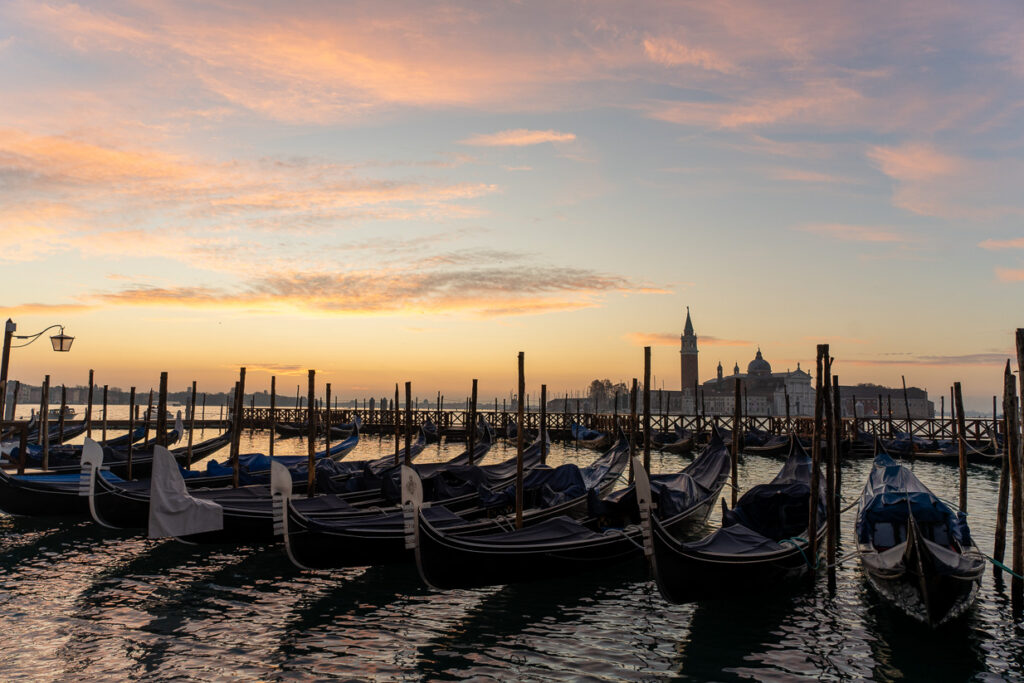
Yes, a winter trip to Venice can be worthwhile.
This time of year offers exciting opportunities, especially for art and culture enthusiasts, photographers, repeat visitors, and guests who want to experience the Carnival.
Lower hotel rates can also be an advantage.
However, you shouldn't underestimate the downsides: short days, cold temperatures, changeable weather, and fewer people out on the outdoor patios.
If you're visiting Venice for the first time and have complete flexibility in planning your trip, we'd recommend spring or early fall.
Our final recommendation: What matters isn't whether Venice is beautiful or less beautiful in winter. What matters is what you expect from your stay. If you adjust your expectations to the unique characteristics of the season, you can have an unforgettable time in Venice even in winter.
Venice in winter isn't the same as Venice in December, January, or February.
- December features Christmas lights and festive events.
- January can be a quieter time to travel, except during the holidays.
- Depending on when Carnival takes place, February is heavily influenced by the events.
Summary: Venice in winter?
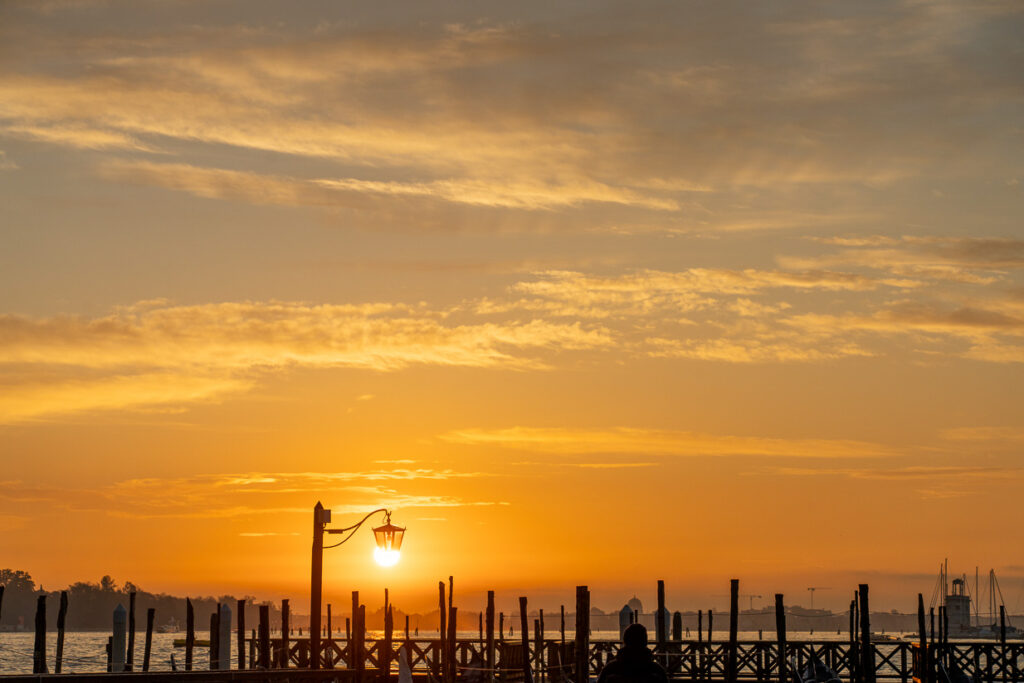
Yes, but not for everyone! If you're looking for sunshine, warmth, and that typical Italian way of life, you might be disappointed. If, on the other hand, you want to explore Venice's history, art, and architecture, winter can also be an interesting time to visit.
And one more thing: The fact that one of the most beautiful cities in the world attracts relatively few visitors during the winter should give you pause. I wonder why? Why do so few visitors come during the cold season?