The Churches on the Venice Map
St. Mark's Basilica on St. Mark's Square

St. Mark's Basilica (Basilica San Marco) is the main attraction in Venice. With its beauty and architectural splendor, it dominates St. Mark's Square. In addition to the Campanile, which is impressive for its height alone, St. Mark's Basilica is the main attraction on St. Mark's Square.
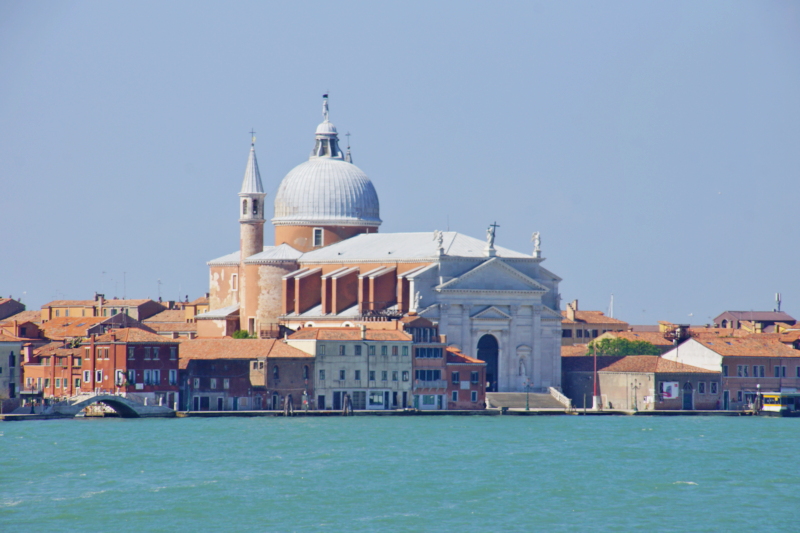
Il Redentore – The Church of the Redeemer on Giudecca
The Chiesa del Santissimo Redentore is one of Venice's most significant buildings. It is not only a place of worship but also a monumental tribute to gratitude.
Why You Should Visit Them
In contrast to St. Mark’s Basilica, Il Redentore offers a bright, clear, and almost soothing atmosphere. The church was designed by the famous architect Andrea Palladio after Venice had survived a severe plague epidemic in 1576. Anyone who appreciates architecture with clean lines and mathematical precision will love this church.
Santa Maria della Salute – The Baroque Landmark
The Basilica di Santa Maria della Salute is one of the most photographed churches in the world. It stands prominently at the entrance to the Grand Canal in the Dorsoduro district and was built as a token of gratitude for the end of the plague of 1630.

Why You Should Visit Them
Baldassare Longhena's architecture is technically impressive: the massive dome rests on over a million wooden piles that were driven into the ground. Inside, you'll find a bright, octagonal space that captivates with its vastness and ornate marble floors.
San Giorgio Maggiore – The Island of Tranquility and Views
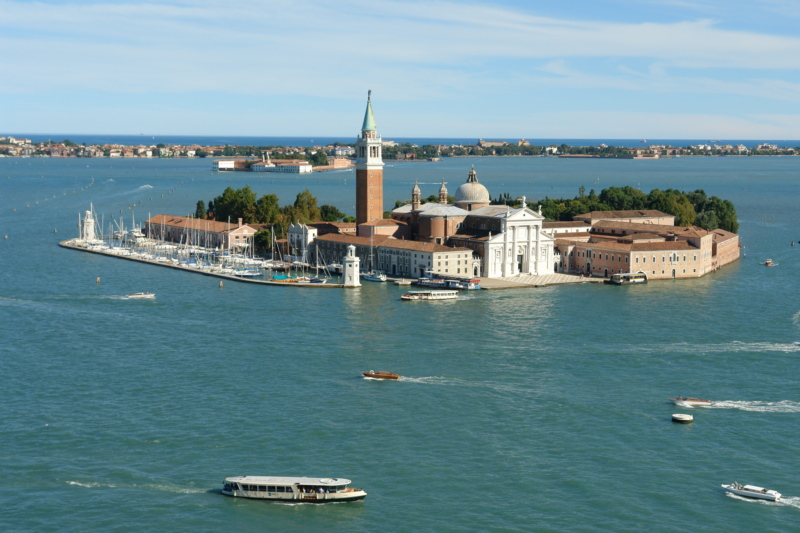
The Basilica di San Giorgio Maggiore stands majestically on the small island across from the Doge's Palace. It is part of a Benedictine monastery and is one of Venice's most photographed sights, especially at sunset.
Why You Should Visit Them
The church was also built by Andrea Palladio Designed. It captivates with its mathematical clarity and its dazzling white interior. The biggest advantage for visitors: While people often wait in line for hours at St. Mark’s Campanile (Campanile di San Marco), the experience here is much more relaxed—with an almost identical (or even better) view of the city.
San Vidal – Where Architecture Meets Vivaldi
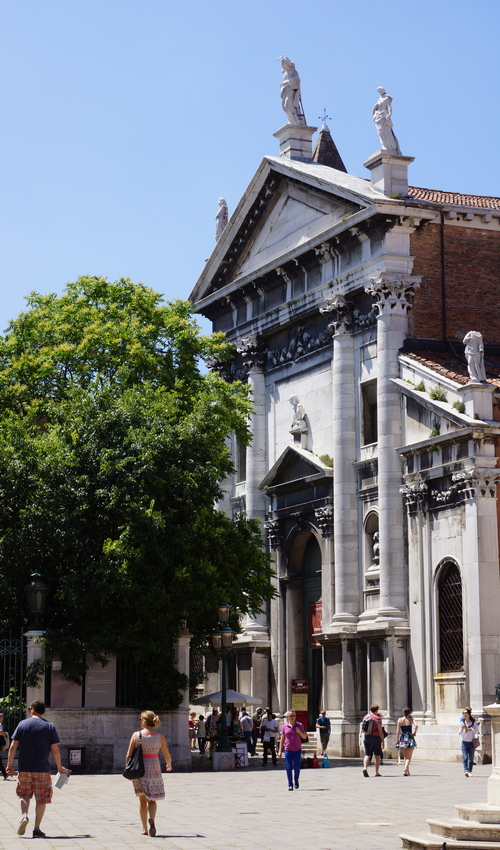
The Church of San Vidal is located at the southern end of Campo Santo Stefano, right at the entrance to the Accademia Bridge. Today, it is known less as a traditional place of worship and more as one of Venice’s most atmospheric concert halls.
Why You Should Visit Them
San Vidal is the ideal place for culture lovers. Today, the church is used primarily for exhibitions and its famous evening concerts. Since the church has excellent acoustics, a visit here is a treat for both the eyes and the ears.
San Polo – A Gothic Gem on the Main Square
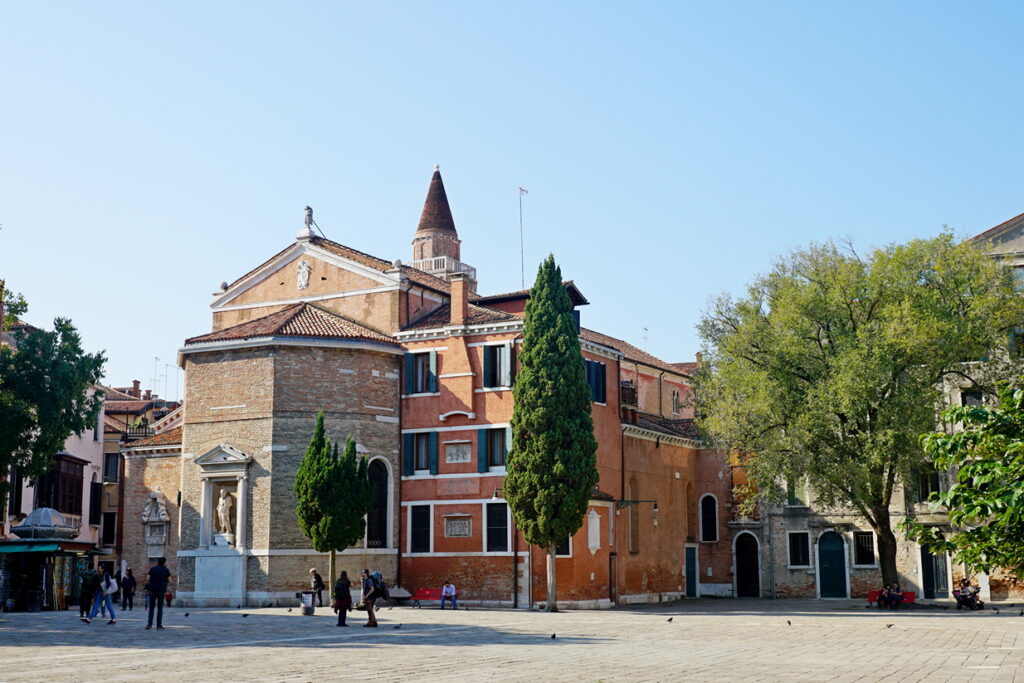
The Church of San Polo (short for San Paolo, or Saint Paul) is located on Campo San Polo, the second-largest square in Venice. It is one of the city’s oldest churches and is notable for its distinctive ship’s-hull ceiling and an impressive collection of masterpieces.
Why You Should Visit Them
San Polo is a must-see for art lovers who want to experience the great Venetian masters without the huge crowds at the Frari Church. The works of the Tiepolo family, in particular, and an important late work by Tintoretto make a visit well worth it.
Basilica dei Frari – A Masterpiece of Venetian Gothic Architecture
The „Frari,“ as the Venetians call it for short, is one of the city’s largest and most impressive churches. It is the heart of the San Polo district and houses world-class works of art, including two masterpieces by Titian, who is also buried here.
Why You Should Visit Them
A visit to the Frari Church is almost equivalent to a visit to one of the world’s finest museums. The architecture soars to breathtaking heights, and the sheer number of notable tombs (including those of composer Claudio Monteverdi and sculptor Antonio Canova) makes it the „Pantheon“ of Venice.
Santa Maria di Nazareth – The Magnificent Gateway to Venice
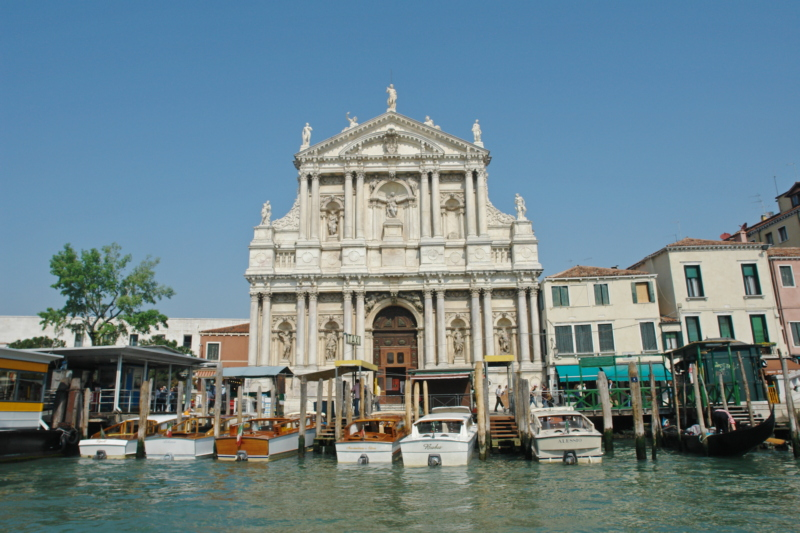
Located right next to the Santa Lucia train station is the Church of Santa Maria di Nazareth (often also Scalzi Church (named after the „barefoot“ Carmelite monks) is the first architectural highlight that travelers see upon arriving in Venice. It is one of the most significant examples of late Venetian Baroque architecture.
Why You Should Visit Them
Many tourists rush straight to the boats as soon as they exit the train station. Yet hidden behind the impressive marble facade lies one of the city’s most magnificent interiors. For visitors seeking a moment of quiet after a train ride before diving into the hustle and bustle of the city, it’s the perfect first stop.
Santi Giovanni e Paolo – The Burial Place of the Doges
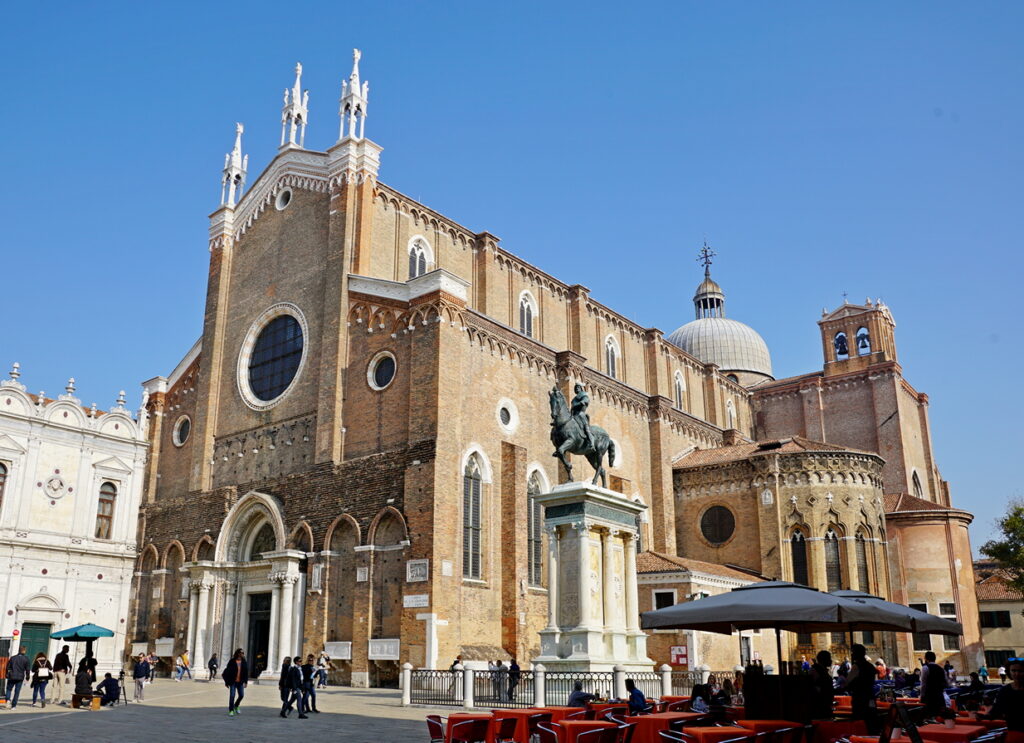
The Basilica dei Santi Giovanni e Paolo in the Castello district is the largest Gothic brick church in Venice. Since the 15th century, nearly all funeral services for the doges (the heads of state) have been held here. It stands as a magnificent testament to the power and technical prowess of the Republic of Venice.
Why You Should Visit Them
Anyone who wants to understand Venice's political history must come here. In this church lie 25 Doges in magnificent tombs that resemble stone history books. The sheer size of the hall and the engineering feat of supporting such a weight on Venice’s soft ground are impressive.
Santa Maria dei Miracoli – Venice's Marble Gem
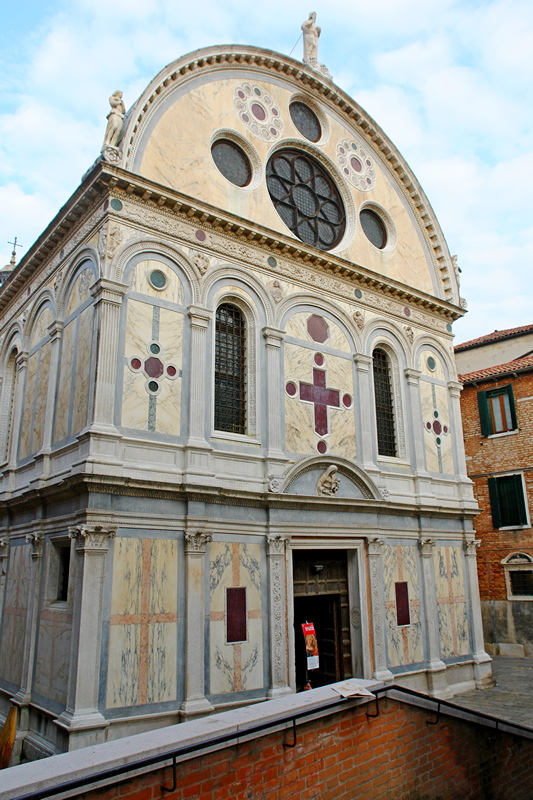
The Church of Santa Maria dei Miracoli in the Cannaregio district is one of the finest examples of early Venetian Renaissance architecture. Designed by the architect Pietro Lombardo, it resembles a precious reliquary carved from marble, rising from the water in the heart of a quiet residential neighborhood.
Why You Should Visit Them
This church is unique because it is completely clad in precious, colored marble, both inside and out. There are no large brick walls like those found in other churches. The harmony of its proportions and the technical precision of its stone carvings make it a favorite among connoisseurs and aesthetes.
San Giacomo di Rialto: The Cradle of Venice
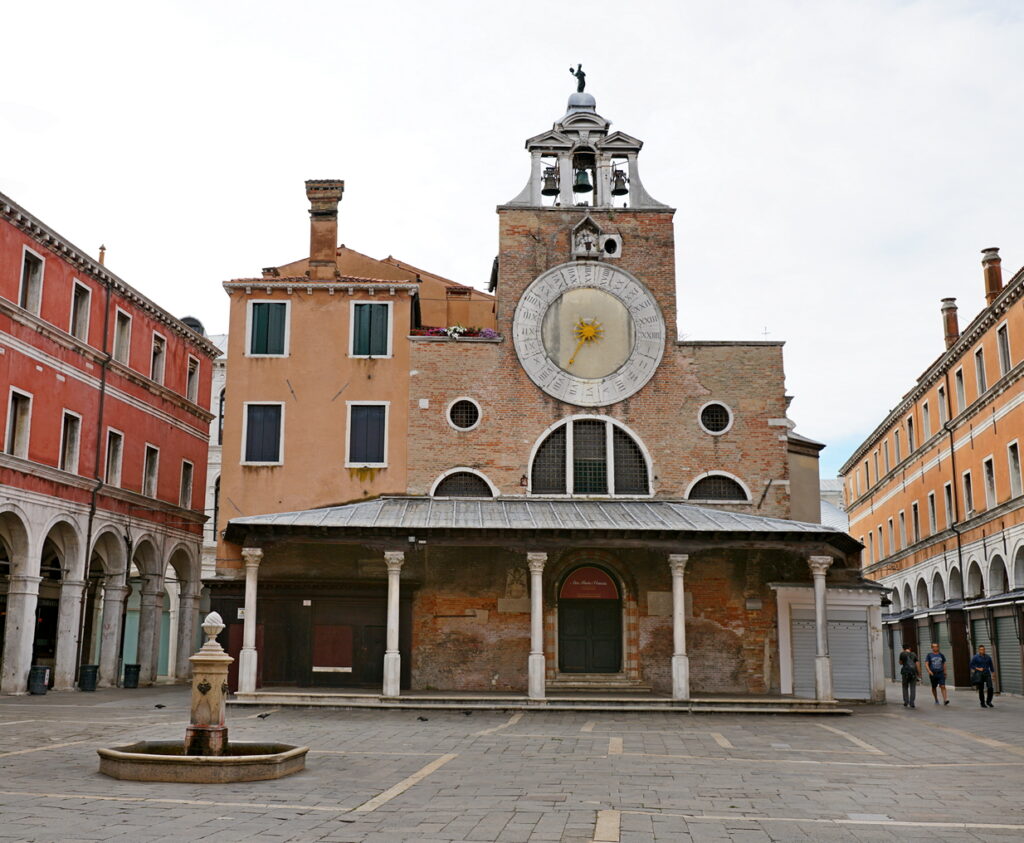
Right in the vibrant heart of the Rialto district, where people have been trading and haggling for centuries, stands a small church that is often overlooked: San Giacomo di Rialto. It is considered the oldest church in the city and is closely linked to the legend of Venice's founding in 421.
Yes, Venice places great importance on appropriate attire in places of worship. Shoulders and knees must be covered. In the summer, it’s a good idea to always carry a light shawl in your backpack that you can drape over your shoulders if needed. Men should remove their hats and caps upon entering.
Frequently Asked Questions and Answers About Churches in Venice
Is there a dress code for churches?
Yes, Venice places great importance on appropriate attire in places of worship. Shoulders and knees must be covered. In the summer, it’s a good idea to always carry a light shawl in your backpack that you can drape over your shoulders if needed. Men should remove their hats and caps upon entering.
Is it okay to take pictures in churches?
In most churches, photography without a flash is permitted for personal use. In some churches (such as St. Mark’s Basilica or during special art exhibitions), however, photography is strictly prohibited. Please pay attention to the signs at the entrance. Professional photography using a tripod generally requires a permit.
Are the churches accessible to people with disabilities?
Many of the large churches (such as the Salute or San Giorgio) are accessible at ground level or via ramps. Smaller parish churches often have one or two steps at the entrance. Tip: Ask the staff on site about the „Accesso disabili“—there are often hidden side entrances with ramps.
Do I have to pay an admission fee to visit?
Admission to St. Mark's Basilica costs 10.00 euros. Many smaller parish churches are free to visit (though there are fees for some areas, such as the museum or the St. Mark's Basilica treasury). Many churches of art-historical significance are part of the Chorus Network. A single admission ticket here costs about €3 to €4, or you can use the affordable „Chorus Pass“ for all participating churches.
Can you tour the church during a Mass?
No. Tourist visits are not permitted during services. Security personnel strictly ensure that worshippers are not disturbed. Therefore, it’s best to plan your visit between Mass times (usually in the morning after 10:00 a.m. and in the afternoon before 5:00 p.m.).
Churches at a Glance
- An Overview of All Churches
- In the heart of the city: St. Mark's Basilica
- San Vidal – Where Architecture Meets Vivaldi
- San Giorgio Maggiore – The Island of Tranquility and Views
- Santa Maria della Salute – The Baroque Landmark
- Il Redentore – The Church of the Redeemer on Giudecca
- San Polo – A Gothic Gem on the Main Square
- Santi Giovanni e Paolo – The Burial Place of the Doges
- Santa Maria dei Miracoli – Venice's Marble Gem
- Basilica dei Frari – A Masterpiece of Venetian Gothic Architecture
- Santa Maria di Nazareth – The Magnificent Gateway to Venice
- San Giacomo di Rialto: The Cradle of Venice